
Flea and Tick Dog Treatment That Works
One day your dog seems a little itchier than usual. The next, you are spotting scratching, chewing, or tiny dark specks in the coat and wondering how serious it is. Flea and tick dog treatment matters because these pests are not just annoying - they can quickly affect your dog’s comfort, skin health, and even your home.
For many North Georgia dog owners, the hardest part is knowing what to do first. Not every itchy dog has fleas, not every tick bite leads to illness, and not every treatment is the right fit for every coat, age, or sensitivity level. What does help is a calm, informed approach that puts your dog’s safety first.
What flea and tick dog treatment is really meant to do
A good flea and tick dog treatment does more than kill visible pests. It helps stop the cycle. Fleas can lay eggs fast, and ticks can stay hidden in places owners do not check often, like between the toes, around the ears, under the collar, and near the tail base.
That is why treatment is usually about both immediate relief and broader control. In some cases, the priority is getting fleas, flea dirt, and irritated buildup out of the coat so the skin can breathe. In others, the bigger concern is removing ticks carefully and watching for signs that your dog may need veterinary attention.
This is also where pet owners can get tripped up. A dog may look mostly fine and still have an early flea problem. Another may only have one visible tick, but that single tick still needs proper removal and monitoring. The right response depends on what is actually happening on the dog’s body, not just what is easiest to see.
Common signs your dog may need flea and tick dog treatment
Scratching is the obvious one, but it is not the only clue. Dogs dealing with fleas often chew at the hindquarters, belly, or legs. You may notice restlessness, scabs, redness, hair thinning, or what looks like pepper-like debris in the coat. That debris may be flea dirt, which is a strong sign fleas are present even if the insects themselves are hard to spot.
Ticks are different. They do not always cause dramatic itching right away. Sometimes owners find them during bath time or while petting the dog. Sometimes they are discovered only after a dog has spent time in tall grass, wooded trails, or the backyard.
If your dog seems unusually tired, sore, or uncomfortable after tick exposure, that is worth paying attention to. Grooming support can help with coat and skin care, but any concern about illness, swelling, fever, or behavior changes belongs with your veterinarian.
Why coat type and lifestyle matter
Not every dog experiences pests the same way. A short-coated dog may make ticks easier to find, but fleas can still spread fast. A thick double coat can hide both pests and skin irritation longer than most owners expect. Dogs who hike, roam fenced yards, visit parks, or spend time near woods are often at higher risk.
There is also the comfort factor. Some dogs tolerate handling well when they are itchy or irritated. Others become stressed, sensitive, or defensive, especially if the skin is already inflamed. That makes the setting and the handling approach matter more than people realize.
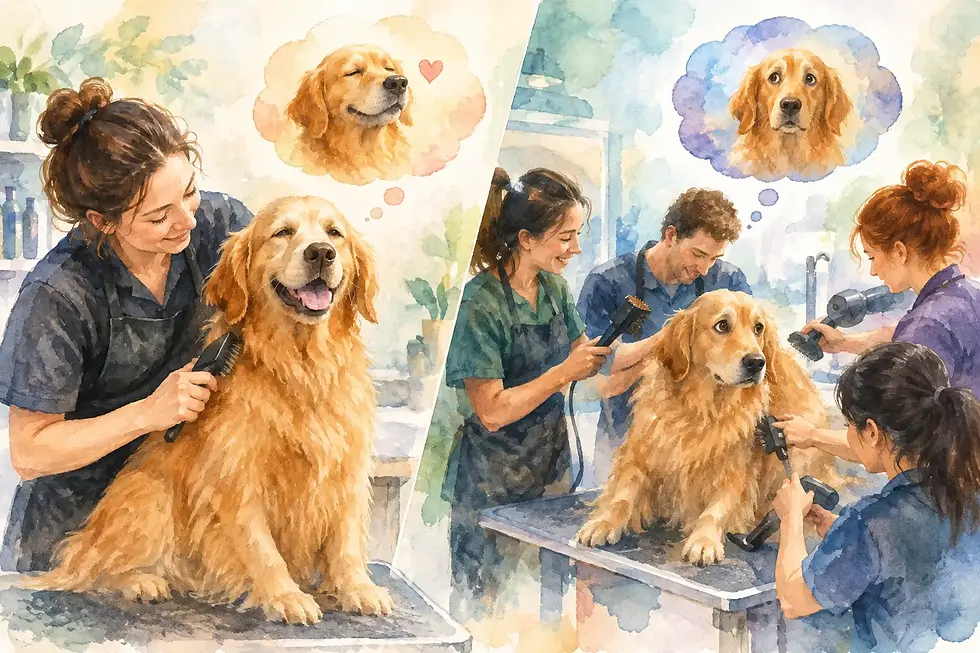
A rushed, overstimulating environment is not ideal for a dog already dealing with discomfort. Calm one-on-one care gives the groomer a better chance to inspect the coat thoroughly, work gently through problem areas, and reduce added stress during treatment.
What professional grooming can help with
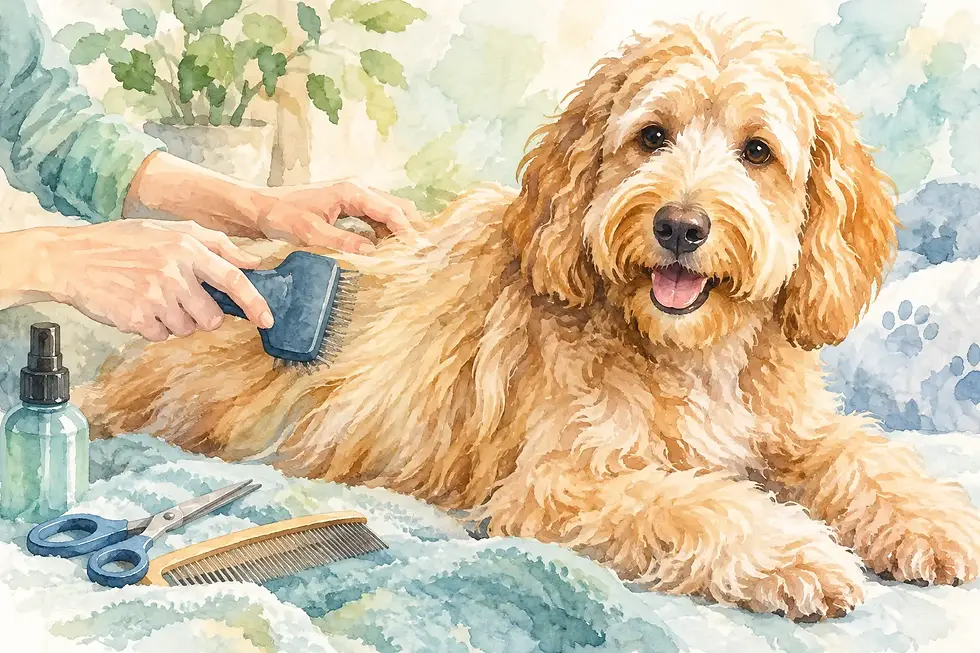
Professional grooming is not a replacement for veterinary care, but it can be a very helpful part of managing flea and tick issues. A proper bath and coat treatment can help remove debris, reduce the pest load, and make hidden problem areas easier to identify. It can also bring relief to dogs whose coats are trapping dirt, oil, and irritation against the skin.
This is especially true when the dog is anxious, heavily coated, or overdue for grooming. Fleas thrive when they can stay hidden, and ticks are easier to miss when the coat is dense or matted. Once the coat is clean and better worked through, owners usually have a much clearer picture of what they are dealing with.
In a quieter, cage-free setting, many dogs handle this process better. That matters because an uncomfortable dog often needs slower, gentler handling. When care is individualized, the focus stays where it should - on keeping the dog safe, calm, and as comfortable as possible.
What flea and tick dog treatment can and cannot do
This is where realistic expectations help. A grooming-based flea and tick dog treatment can support coat cleanliness, comfort, and visible pest removal, but it may not fully solve a larger infestation on its own. If fleas are already in your home, bedding, rugs, furniture, and yard may also need attention.
Ticks bring a different set of limits. Removing visible ticks and cleaning the coat is valuable, but grooming cannot diagnose tick-borne disease. If a tick has been attached for an unknown amount of time or your dog seems unwell afterward, your veterinarian should guide the next steps.
There are also cases where skin is too irritated for a simple grooming visit to be the whole answer. Hot spots, raw patches, allergic reactions, and secondary infections can all happen after flea activity. If the skin looks painful or damaged, veterinary care comes first.
When to act quickly
You do not need to panic, but you should move promptly if you suspect fleas or find ticks. Fleas multiply fast. Waiting a week or two can turn a manageable issue into a bigger one for both your dog and your home. With ticks, fast and proper removal matters because the longer a tick stays attached, the greater the potential concern.
Puppies, senior dogs, and dogs with sensitive skin deserve extra caution. So do dogs with a history of flea allergy dermatitis or dogs who become very distressed during grooming. In those situations, the gentleness of the process is just as important as the treatment itself.
Choosing a lower-stress approach
A lot of dog owners assume pest treatment has to be chaotic because the dog is already uncomfortable. It does not. The environment changes a lot.
For dogs that dislike car rides, get overwhelmed in busy salons, or shut down around other barking dogs, in-home mobile grooming can be a better fit. A familiar driveway, one-on-one handling, and a fully sanitized grooming space create a more controlled experience. That can make it easier to assess the coat carefully and help the dog settle during treatment.
For families juggling work, school pickups, and full schedules, convenience matters too. But convenience only counts if the care is thoughtful. The goal is not just getting the appointment done. The goal is helping your dog feel better without adding another layer of stress.
That is one reason many local pet parents choose services like The Wag Works. When the process is private, professional, and centered on the dog’s comfort, treatment feels more manageable for everyone involved.
What to do after treatment
After your dog receives care, keep a close eye on scratching, skin condition, and overall behavior. Wash bedding, vacuum thoroughly, and be mindful of places where pests may linger. If your veterinarian has recommended a preventive product, stay consistent with it. Grooming helps, but prevention is what reduces repeat problems over time.
It also helps to check your dog regularly between appointments, especially after yard time, walks near brush, or weekend adventures. Run your hands through the coat, look near the ears and paws, and do quick visual checks around the collar and tail area. Those small habits catch issues earlier.
If your dog has repeated flea problems, it may be time to look at the bigger picture. Seasonal exposure, wildlife in the yard, inconsistent prevention, and coat maintenance can all play a role. Sometimes the answer is not one stronger treatment. Sometimes it is a better routine.
A calm plan is usually the best one
When you find fleas or ticks, it is easy to feel behind. Most pet owners do. But this is one of those situations where staying calm helps you make better choices. Start with what your dog is showing you - itching, discomfort, visible pests, skin changes, or all of the above - and respond with care that fits the severity of the problem.
Some dogs need a gentle grooming-based reset and better follow-through at home. Some need veterinary support right away. Many need both. The good news is that with prompt attention, careful handling, and a clean, low-stress approach, you can help your dog get comfortable again and keep small pest problems from becoming bigger ones.
Comments