
How to Prepare Dog for Mobile Grooming
The first few minutes of a grooming appointment often set the tone for everything that follows. If your dog is already wound up from a busy morning, startled by new sounds, or unsure why someone is approaching the driveway, even a convenient service can feel like a lot. Knowing how to prepare dog for mobile grooming helps turn that moment into a calm handoff instead of a stressful one.
Mobile grooming already removes many of the hardest parts of a traditional salon visit. There is no car ride, no noisy lobby, and no long wait around unfamiliar dogs. That said, a little preparation at home still makes a big difference. It helps your dog feel more secure, helps the groomer work safely, and usually leads to a smoother experience from start to finish.
Why preparation matters for mobile grooming
A one-on-one, cage-free appointment is ideal for many dogs, especially those who get anxious in crowded spaces. But even in a quieter setting, grooming involves handling paws, ears, nails, and sensitive areas. Some dogs are naturally easygoing about that. Others need a little support before they are comfortable.
Preparation is not about making your dog behave perfectly. It is about setting realistic conditions for success. A dog who has had a potty break, some light exercise, and a calm transition into the appointment is often much easier to groom than a dog who is bursting with energy or unsure what is happening.
This is especially true for puppies, senior dogs, rescue dogs, and dogs with a history of stress during grooming. In those cases, your job is not to force confidence. It is to lower the pressure and keep the routine predictable.
How to prepare dog for mobile grooming before appointment day
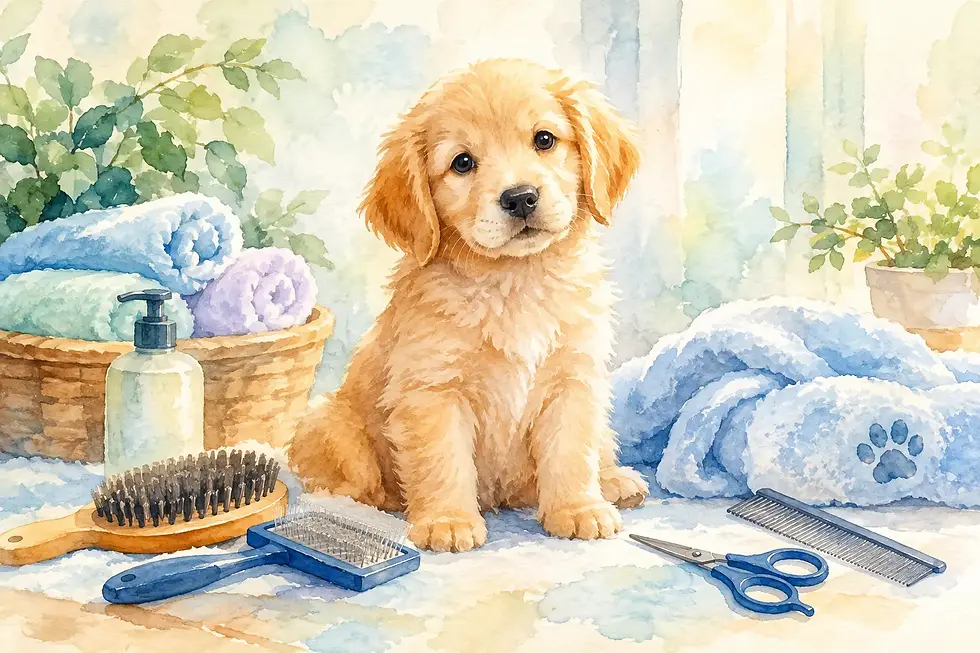
The best prep starts before the van ever pulls up. If your dog is new to grooming, spend a few days getting them used to gentle handling at home. Touch their paws briefly, lift an ear, hold the collar calmly, and run a brush over the coat if they tolerate it well. Keep these sessions short and positive.
If your dog strongly resists being touched in certain areas, do not push through it just to "practice." That can make the appointment harder, not easier. Instead, make note of those triggers and share them with the groomer ahead of time. Good grooming is individualized care, and honest communication helps everyone approach your dog in the safest, least stressful way.
It also helps to think through timing. If your dog tends to be most relaxed mid-morning, that may be a better fit than an early appointment during the household rush. If they usually nap in the afternoon, avoid a slot that collides with their most tired and cranky time. Small choices like these matter more than many owners expect.
The morning of the appointment
On grooming day, try to keep the routine steady. Dogs pick up on household energy quickly. If the morning feels hectic, your dog may carry that tension into the appointment.
Feed your dog as you normally would, unless your groomer has suggested otherwise, but avoid giving a large meal right before grooming. A full stomach plus warm water, handling, and movement can make some dogs uncomfortable. A normal breakfast with enough time to settle is usually the better choice.
A potty break is one of the simplest and most important steps. Let your dog go outside shortly before the appointment so they are not heading into grooming with a full bladder. If your dog has a lot of energy, a short walk can help too. This is not the time for an exhausting outing, especially in hot weather, but a bit of movement can take the edge off.
Keep water available, and have your dog ready a few minutes early. Rushing to grab a leash, locate vaccination records, or coax your dog out from under the bed at the last second can create avoidable stress.
Set up a calm handoff
One of the biggest advantages of mobile grooming is that the transition is much simpler than a salon drop-off. You can use that to your dog's benefit.
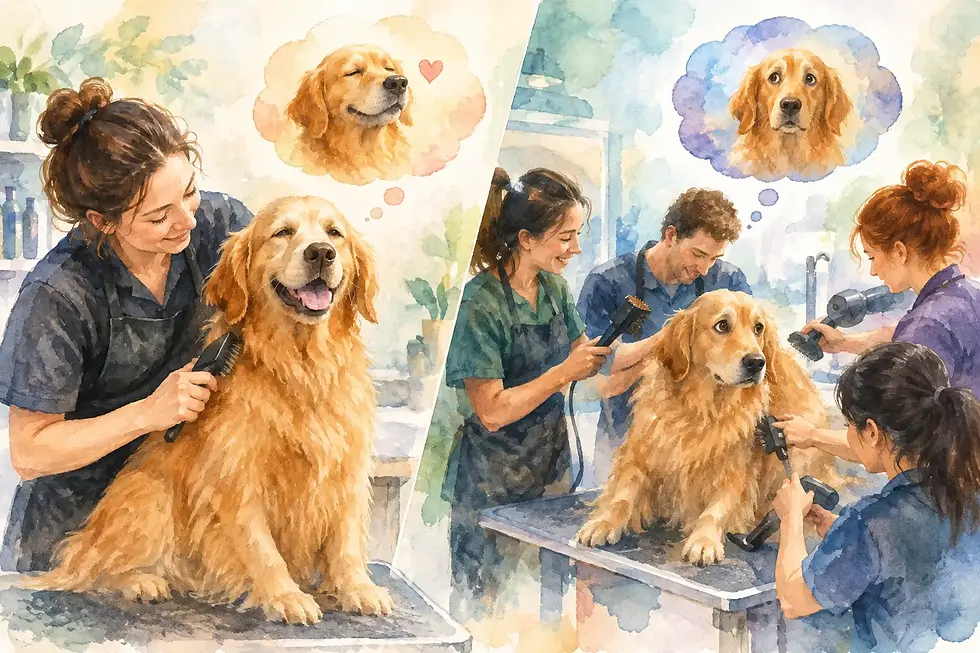
When the groomer arrives, greet them calmly and avoid building up the moment with nervous energy. Many owners unintentionally signal that something big is about to happen by using a worried voice, repeating commands, or hovering too much. Dogs notice that. A relaxed tone and a simple, confident handoff usually work best.
If your dog is shy, give them a moment to observe. They do not need to become instant best friends with the groomer. They just need a respectful introduction and a calm transfer. If your dog is very excited, keep them secured on leash and let them settle before the handoff rather than bouncing all over the entryway.
If there are children, delivery drivers, or other pets moving around, try to minimize that traffic during arrival. Less commotion means fewer things for your dog to process.
What to tell your groomer
If you want the best possible result, clear communication matters just as much as brushing or bath prep. Tell the groomer about anything that affects comfort, safety, or handling.
That includes recent surgeries, skin sensitivity, ear issues, arthritis, seizures, allergies, or any area your dog dislikes having touched. It also includes behavior history. If your dog panics during nail trims, becomes fearful around dryers, or has never been groomed before, say so plainly. That is not embarrassing. It is helpful.
You should also be specific about coat goals, especially if your dog has matting. Sometimes owners hope for a fluffy trim when the coat condition calls for a shorter, more comfortable reset. In those cases, the kindest option may not be the most cosmetic one. A pet-first groomer will prioritize safety and comfort over forcing a style that puts stress on the dog.
How to prepare dog for mobile grooming if they are anxious
Anxious dogs often do very well with mobile grooming because the environment is quieter and more controlled. Still, they may need extra support from you before the appointment begins.
Start by keeping your own behavior steady. Dogs that are prone to anxiety often read their owner's mood closely. If you act apologetic, worried, or overly emotional, your dog may assume there is something to fear.
Comfort items can help, depending on the dog. A familiar leash, harness, or even walking out on the same side of the house each time can create a sense of routine. Some dogs benefit from hearing the same phrase before every appointment. Others do better with less talking and less buildup.
What usually does not help is forcing social interaction. If your dog is nervous, they do not need extra petting from strangers or a long introduction in the driveway. Calm, gentle efficiency is often better than trying to "win them over" in the moment.
If your dog has severe anxiety, discuss it in advance. Some dogs need shorter, more frequent visits to build trust. Others may need veterinary support for grooming tolerance. There is no one-size-fits-all answer, and that is okay.
Coat condition matters more than many owners realize
If your dog has a longer coat, do a quick check the day before. Look behind the ears, under the collar, in the armpits, around the tail, and along the belly. These are common trouble spots for tangles and mats.
You do not need to do a full pre-groom at home, and in some cases, trying to cut out mats yourself can be risky. But knowing your dog's coat condition helps you have a more informed conversation. Heavy matting can limit styling options and make the process more uncomfortable, especially if the dog is already sensitive.
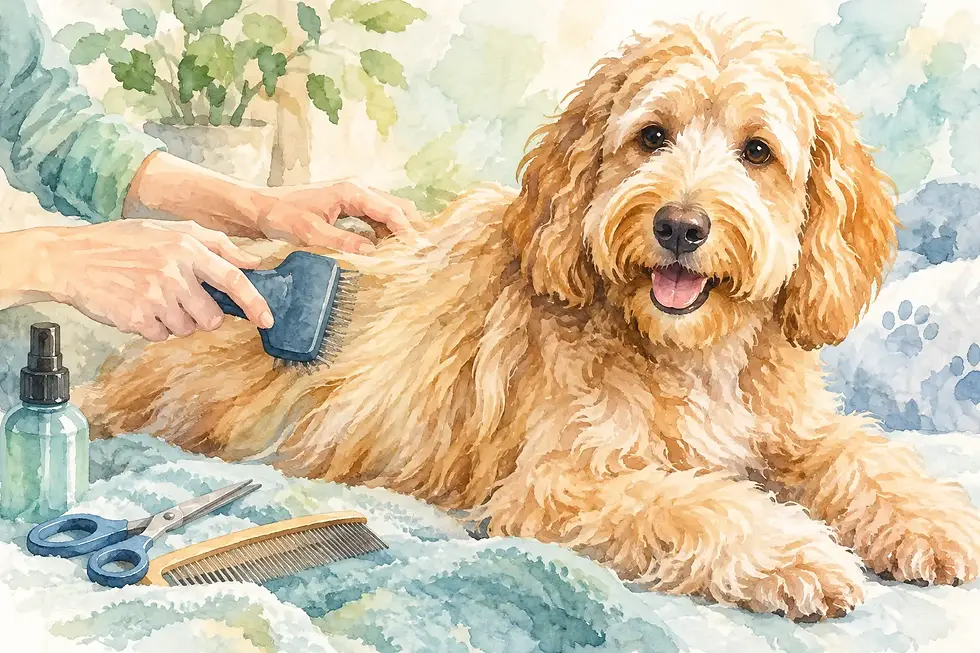
Regular brushing between appointments helps, but technique matters. Lightly brushing the top of the coat is not always enough if the undercoat is compacted. If you are unsure what kind of maintenance your dog's coat needs, ask during the appointment so you can keep them more comfortable between visits.
A few things to avoid
Last-minute bathing at home usually is not necessary unless your groomer has requested it. In fact, it can sometimes create more tangles or leave the coat in a condition that is harder to work with. It is better to focus on keeping your dog calm and ready than trying to do part of the job yourself right before the appointment.
Avoid using new calming products the same day without checking first. Even supplements and sprays marketed for relaxation can affect dogs differently. If you are considering anything beyond your dog's normal routine, it is worth discussing beforehand.
And if your dog has had a bad grooming experience in the past, avoid retelling the story in front of them with anxious energy while the groomer stands there. It sounds simple, but that moment matters. Your dog needs calm leadership more than a dramatic recap.
Preparing your dog for mobile grooming is really about making comfort easier. A little planning, a calm routine, and honest communication can go a long way toward helping your dog feel safe in the process. When grooming is handled with patience, cleanliness, and one-on-one attention, most dogs settle in more easily than their owners expect - and that is a good place to start next time too.
Comments