
A Practical Guide to Dog Grooming Sanitation
A fresh-smelling coat is nice. A truly clean grooming experience is something more meaningful: it helps protect your dog from skin irritation, cross-contamination, and unnecessary stress. This guide to dog grooming sanitation explains what thoughtful pet parents should expect from a professional groomer and what to look for before your dog’s next appointment.
For many dogs, especially those who are anxious around other pets or sensitive to new environments, sanitation is part of comfort. Clean equipment, fresh towels, and a carefully prepared grooming space create a calmer experience while supporting your dog’s health from nose to tail.
Why grooming sanitation matters
Dogs bring more than loose fur into a grooming appointment. Mud, dander, saliva, urine residue, fleas, ticks, yeast, bacteria, and allergens can all travel on a coat, paws, collar, or grooming tool. Most of the time, these concerns are manageable. The goal is not to create a sterile, hospital-like setting. It is to prevent germs and debris from moving unnecessarily from one dog, surface, or tool to another.
This matters even more for dogs with sensitive skin, allergies, active skin conditions, senior-dog needs, or immune-related health concerns. It also matters for puppies that are still building confidence with grooming. A clean, orderly process gives your groomer a better starting point and helps your dog leave feeling comfortable rather than itchy or overwhelmed.
Sanitation also protects the people caring for your dog. Groomers work closely with faces, paws, ears, nails, and sanitary areas throughout the day. Professional hygiene practices help keep that hands-on care safe and consistent.
The difference between cleaning, sanitizing, and disinfecting
These terms are often used interchangeably, but they describe different steps. Cleaning removes visible hair, dirt, oils, and residue. Sanitizing reduces germs to safer levels on certain surfaces. Disinfecting uses an appropriate product and contact time to kill many disease-causing microorganisms on hard, nonporous surfaces.
All three have a place in dog grooming sanitation. A clipper blade covered in hair and coat oil cannot be properly disinfected until it is cleaned first. Likewise, a disinfectant that is wiped away too quickly may not work as intended. Good sanitation is a process, not simply a quick spray between appointments.
The right product depends on the surface and the situation. Grooming tables, tubs, floors, clipper blades, combs, shears, and high-touch areas may require different care. Products must also be used according to their labels, stored safely, and kept away from your dog until surfaces are dry and safe for contact.
What a sanitary grooming setup should include
A professional grooming environment should look organized, but cleanliness goes beyond appearances. You should see a clear separation between used items and ready-to-use items. Fresh towels should not share space with damp, used towels. Clean tools should be stored where they will not pick up hair, dust, or residue before they are used.
Between dogs, the groomer should remove fur and debris from the grooming area, then clean and disinfect appropriate hard surfaces. That includes the tub, grooming table, restraints, loops, dryer nozzles, and frequently touched handles or controls. Floors need attention too, particularly around the bath and drying area where moisture and loose hair collect.
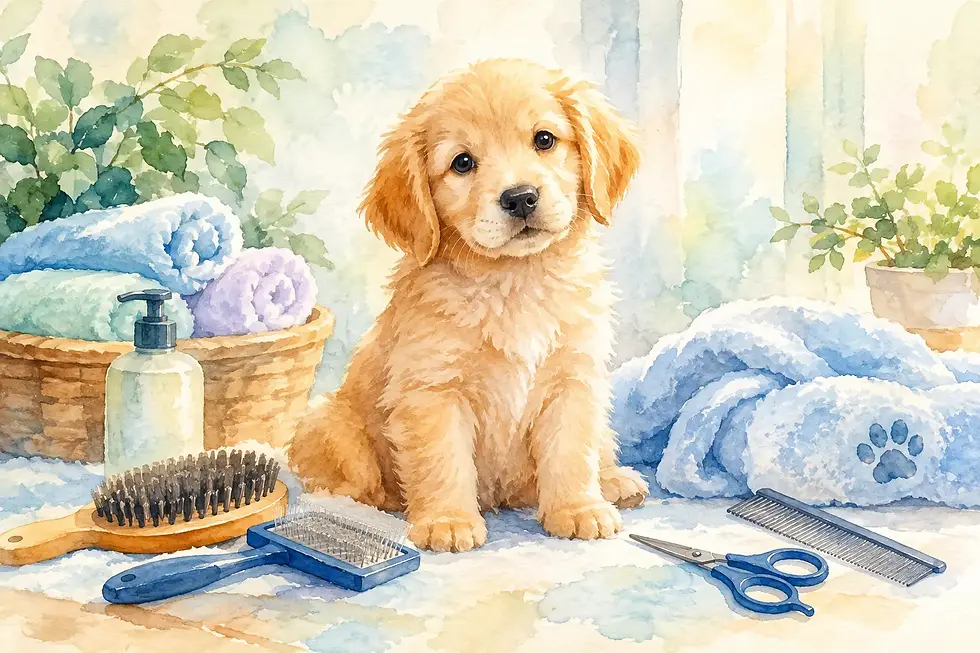
Tools deserve the same care. Brushes, combs, nail trimmers, clipper blades, and shears can hold hair, skin flakes, and oils. Hair should be removed after each use, and tools should be cleaned and disinfected as appropriate. Blades also need to be cooled, lubricated, and inspected so they do not pull hair or become uncomfortably hot against the skin.
Laundry is another essential piece of the process. Towels, grooming loops, and washable protective items should be laundered after use. Reusing a damp towel on another dog may be convenient, but it is not a standard that supports clean, individualized care.
A guide to dog grooming sanitation for mobile appointments
Mobile grooming offers an advantage that many dogs appreciate: a quieter, more private setting with fewer dogs moving through the same space. Instead of spending hours in a crowded salon, your dog can receive one-on-one attention close to home. That can reduce exposure to unfamiliar pets and make the entire visit feel more predictable.
Still, a mobile setup needs the same disciplined sanitation practices as any professional grooming environment. The groomer should arrive with clean supplies, use freshly laundered towels, and reset the grooming space between appointments. Wastewater, hair, and used materials should be handled carefully, rather than allowed to accumulate in the workspace.
A fully equipped mobile unit also makes it easier to keep the grooming process contained. Your dog is not walking through a busy lobby, sharing a waiting area, or sitting in a kennel while other appointments happen around them. For dogs who are nervous, reactive, elderly, or uncomfortable with car rides, that controlled setting can be a real relief.
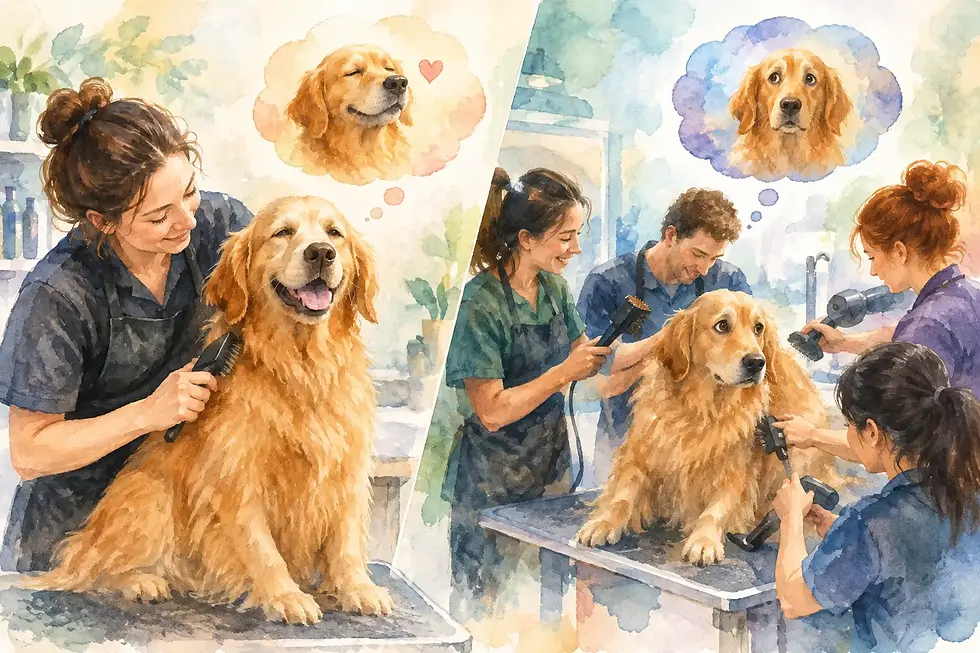
At The Wag Works, sanitation and low-stress care go hand in hand. One-on-one, cage-free grooming allows each dog to receive focused attention in a clean, comfortable space without the noise and congestion of a traditional salon.
What pet parents can do before the appointment
Your groomer handles the professional sanitation routine, but a few simple steps at home help create a safer, smoother visit. Let your groomer know before the appointment if your dog has fleas, ticks, vomiting, diarrhea, coughing, an eye infection, open wounds, unusual itching, or a suspected contagious skin condition. This is not about embarrassment or blame. It helps your groomer decide whether grooming can proceed safely, needs to be modified, or should be postponed until your veterinarian has evaluated your dog.
Please also mention recent changes in behavior. A dog that suddenly resists having their ears touched, flinches during brushing, or reacts to paw handling may be uncomfortable or in pain. Grooming can reveal concerns such as hot spots, ear odor, lumps, skin redness, or overgrown nails, but it should never replace veterinary diagnosis.
On appointment day, provide a clear path to the grooming location and keep your dog on leash during the handoff if needed. If your dog wears a collar, make sure it is reasonably clean and secure. These small details help keep the transition calm and prevent a last-minute scramble.
Questions worth asking a groomer
You do not need to interrogate your groomer, but asking about sanitation is responsible pet ownership. A caring professional will be comfortable explaining their approach. You might ask how tools are cleaned between dogs, whether towels are reused, how the tub and grooming table are disinfected, and what happens if a dog arrives with fleas or signs of illness.
You can also ask how a groomer handles a dog with allergies, sensitive skin, or a medical condition. There is no one-size-fits-all answer. Some dogs need fragrance-free products, while others may benefit from a veterinarian-recommended shampoo. A groomer should be willing to work within safe boundaries and communicate clearly when a veterinary visit is the better next step.
Be cautious if a grooming space has a strong chemical smell, visibly dirty tools, wet towels piled together, or no clear plan for cleaning between pets. A clean environment may carry a light product scent, but overpowering fragrance is not proof of sanitation. The best signs are consistent practices and transparent answers.
Sanitation should never come at the expense of gentle care
A clean environment is essential, but dogs also need patient handling. Strong cleaners must be stored and used safely. Surfaces should be dry before your dog steps onto them. Clippers should be monitored for heat. Bathing should include thorough rinsing, because leftover shampoo can cause itching and irritation even when the products themselves are high quality.
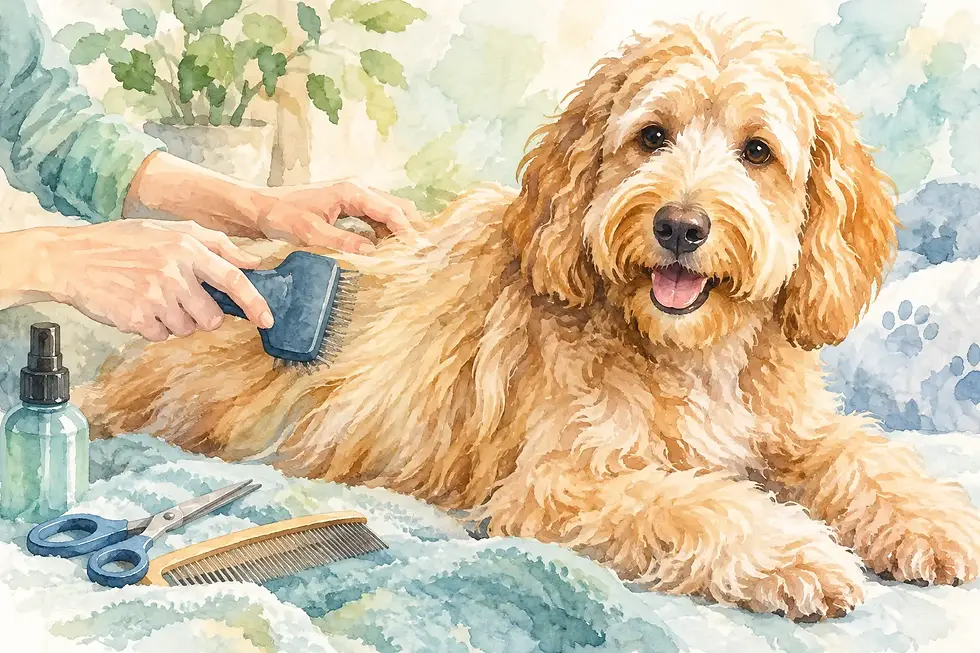
Your dog’s individual needs should guide the appointment. A young, energetic doodle with a muddy coat may need more drying time and deshedding work. A senior dog with tender joints may need shorter grooming intervals, supportive handling, and breaks. A dog with a flea issue may require a treatment plan, but the home environment and veterinarian guidance may matter just as much as the bath itself.
The most reassuring grooming experience is not just visibly clean. It is calm, prepared, and attentive to the dog in front of the groomer. When your dog is greeted with fresh tools, clean towels, gentle hands, and one-on-one care, they have a much better chance to leave looking good, feeling comfortable, and ready to wag all the way home.
Comments