
Best Grooming Plan for Double Coats That Works
A double-coated dog can look freshly brushed on the surface while holding a surprising amount of loose undercoat close to the skin. That is why the best grooming plan for double coats is not simply “brush more.” It is a consistent routine that removes shed hair safely, protects the coat’s natural insulation, and keeps grooming calm enough that your dog can tolerate it well.
Breeds such as Golden Retrievers, German Shepherds, Huskies, Australian Shepherds, Pomeranians, Great Pyrenees, and many mixed-breed dogs have a two-layer coat. The longer outer coat helps repel dirt and moisture, while the soft, dense undercoat provides insulation. Both layers need attention, especially in North Georgia’s humid summers and during heavy seasonal sheds.
Understand What a Double Coat Needs
A healthy double coat is meant to shed. The goal is not to stop shedding or strip every bit of undercoat from your dog. The goal is to remove the loose, dead hair before it compacts into painful mats, blocks airflow to the skin, or takes over your floors and furniture.
Double-coated dogs usually “blow” their undercoat once or twice a year, often in spring and fall. During those periods, a dog that normally needs a thorough brush once a week may benefit from short brushing sessions every few days. Smaller, more frequent sessions are often much easier on both the dog and the person holding the brush.
Coat texture, lifestyle, and skin health all affect the schedule. A dog who swims, hikes, rolls in the yard, or wears a harness daily may need more frequent care around the chest, behind the ears, under the front legs, and at the rear. Senior dogs and dogs with sensitive joints may need shorter sessions and more gentle handling.
The Best Grooming Plan for Double Coats
For most dogs, a practical plan has three layers: quick home maintenance, regular bathing and brushing, and professional grooming when the coat needs a deeper reset.
At-home brushing: once or twice a week
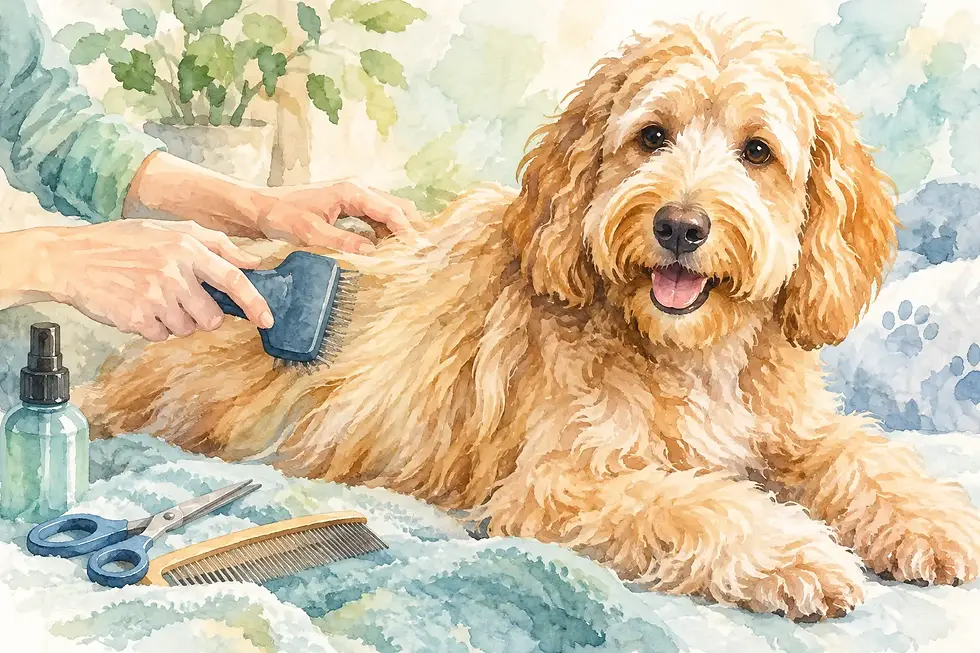
Set aside 10 to 20 minutes for a calm brush-out each week. During a seasonal shed, increase that to every two or three days if your dog is comfortable with it. Begin in an easy area, such as the back or shoulder, rather than reaching straight for a sensitive spot.
Use a slicker brush or pin brush to work through the outer coat, then use a metal comb to check your work. The comb is your best test: if it glides through to the skin without catching, that area is clear. If it stops, do not tug. Gently separate the hair with your fingers and work through the small section gradually.
Pay special attention to friction points. Behind the ears, under collars, beneath harness straps, in the pants or feathering on the back legs, and around the tail are common trouble spots. A few careful minutes in these areas can prevent a small tangle from turning into a tight mat.
Bath and dry: every 4 to 8 weeks for many dogs
Most double-coated dogs do well with a full bath and dry every four to eight weeks, though there is no one schedule that fits every dog. A dog with a healthy coat who spends most of the time indoors may stretch longer between baths. A dog with allergies, outdoor adventures, odor, or heavy shedding may need grooming more often under the guidance of a professional or veterinarian.
Bathing is only useful when followed by thorough drying. Water can get trapped in a dense undercoat, leaving the dog damp near the skin even when the top layer feels dry. That trapped moisture can cause odor, irritation, and hot spots.
Professional high-velocity drying is especially helpful for double coats because it lifts and separates the layers while blowing out loose undercoat. It makes brushing more effective without harsh pulling. At home, use clean towels, brush in manageable sections, and make sure your dog is truly dry before allowing them to lie down in a cool or damp area.
Professional deshedding: every 6 to 10 weeks, or as needed
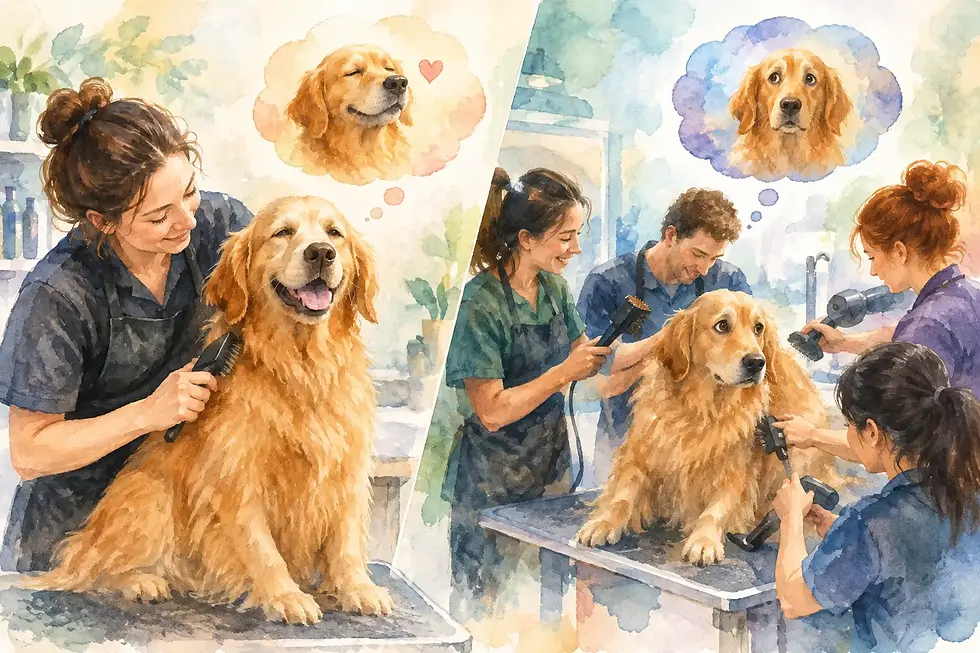
A professional deshedding service can be a great fit during a major shed or when home brushing is no longer keeping up. It should include coat assessment, appropriate shampoo and conditioner, careful drying, and a thorough brush-out tailored to your dog’s coat density and tolerance.
The right timing depends on the dog. Some dogs benefit from professional grooming about every six weeks, while others need it every eight to 10 weeks with regular brushing between appointments. If your dog’s coat is getting packed, if you are finding tufts around the house daily, or if brushing has become a struggle, it is time to adjust the plan.
Tools That Help Without Damaging the Coat
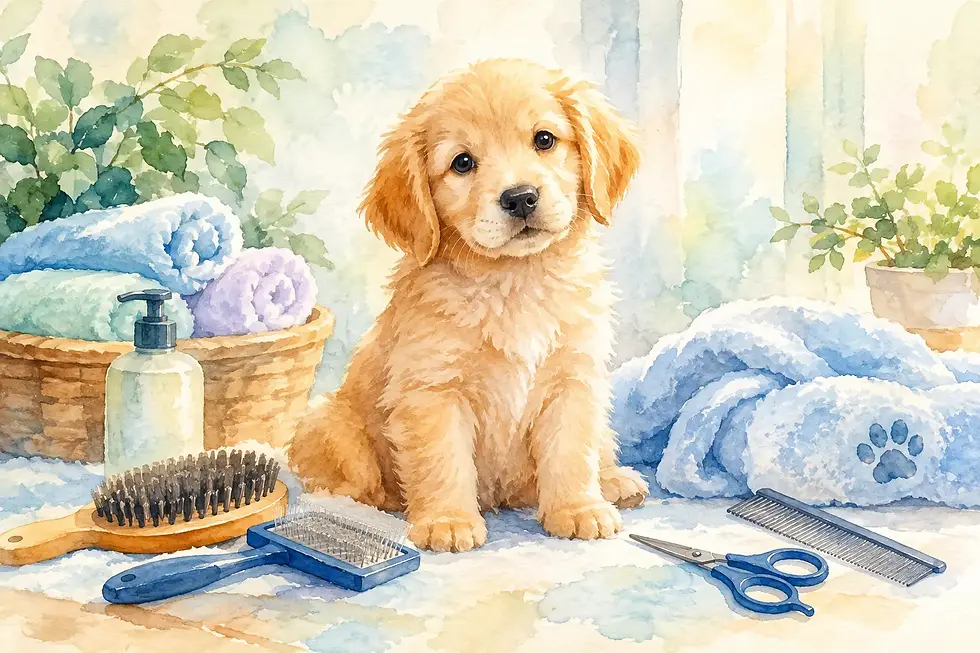
The most expensive tool is not always the best tool. For many double-coated dogs, a quality slicker brush, a metal greyhound-style comb, and a gentle undercoat rake are enough when used correctly. The rake should pass through the coat with light pressure, not scrape against the skin.
Avoid repeatedly using a blade or aggressive shedding tool in the same spot. These tools can cut or thin healthy guard hairs when used too heavily. Likewise, do not use human hair clippers to shave a double coat unless a veterinarian directs it for a medical reason.
Shaving does not make a double-coated dog cooler in the way many owners expect. The coat helps regulate temperature and protects the skin from sun exposure. Once shaved, it may grow back unevenly, patchy, or with a damaged texture. A clean, fully brushed, well-dried coat is the safer way to help your dog feel more comfortable in warm weather.
Make Grooming Easier for an Anxious Dog
A grooming routine only works if your dog can participate without becoming overwhelmed. Dogs who dislike car rides, crowded salons, loud dryers, or long waits may do better with individualized care in a quieter setting.
At home, keep brushing predictable. Choose a non-slip surface, offer calm praise, and stop before your dog reaches their limit. A few successful minutes are more valuable than forcing a long session that makes the brush feel scary next time.
Watch for body language that says your dog needs a break: turning away, lip licking, stiffening, holding their breath, repeated yawning, or trying to leave. A patient groomer can adjust the pace, use gentler techniques, and focus on the most necessary areas first.
For dogs in North Georgia who need that quieter approach, The Wag Works provides one-on-one, cage-free mobile grooming with the professional tools needed for a complete bath, dry, and deshedding service. Private attention can make a real difference for dogs who find traditional grooming environments overstimulating.
Know When It Is More Than Shedding
Loose hair is normal. Redness, a sour smell, greasy skin, flakes, bald patches, constant scratching, or painful mats are not simply grooming issues. They can point to allergies, parasites, skin infection, or another medical concern that deserves veterinary attention.
Mats require special care. Never pull them apart forcefully or cut near the skin with scissors. Dog skin is thin and can be pulled up into a mat without you realizing it. A groomer may be able to safely work through mild tangles, but tight matting may need a shorter trim for comfort.
Nail care matters here, too. Dogs with thick coats can hide long nails surprisingly well. Check them regularly, along with the paw pads and the hair between the toes, where dirt, moisture, and compacted fur can collect.
A well-kept double coat should feel light, clean, and able to move when your dog does. Build the routine around your dog’s comfort rather than a perfect-looking finish, and those regular brushing moments can become one more calm way to care for the family member waiting at your feet.
Comments