
Deshedding Treatment Versus Brushing: Which Helps?
A tumbleweed of fur under the sofa, hair on every black shirt, and a dog who still looks fluffy after a good brush can make pet parents wonder what they are missing. When it comes to deshedding treatment versus brushing, the answer is not that one replaces the other. They do different jobs, and most dogs benefit from the right balance of both.
For North Georgia families, shedding can feel especially noticeable during seasonal coat changes. A professional deshedding service can make a meaningful difference, but regular at-home brushing remains one of the kindest ways to support your dog’s skin, coat, and comfort between appointments.
What regular brushing does for your dog
Brushing is routine coat maintenance. It removes loose surface hair before it lands on your floors, clothing, and car seats, while also helping distribute your dog’s natural skin oils through the coat. Those oils support a healthier-looking coat and can keep the fur from feeling dry or dull.
Just as importantly, brushing gives you a chance to notice changes early. You may find a small tangle behind an ear, debris caught in feathering, flaky skin, or a tender area your dog does not want touched. Catching those concerns early is far easier and more comfortable than waiting until a mat becomes tight against the skin.
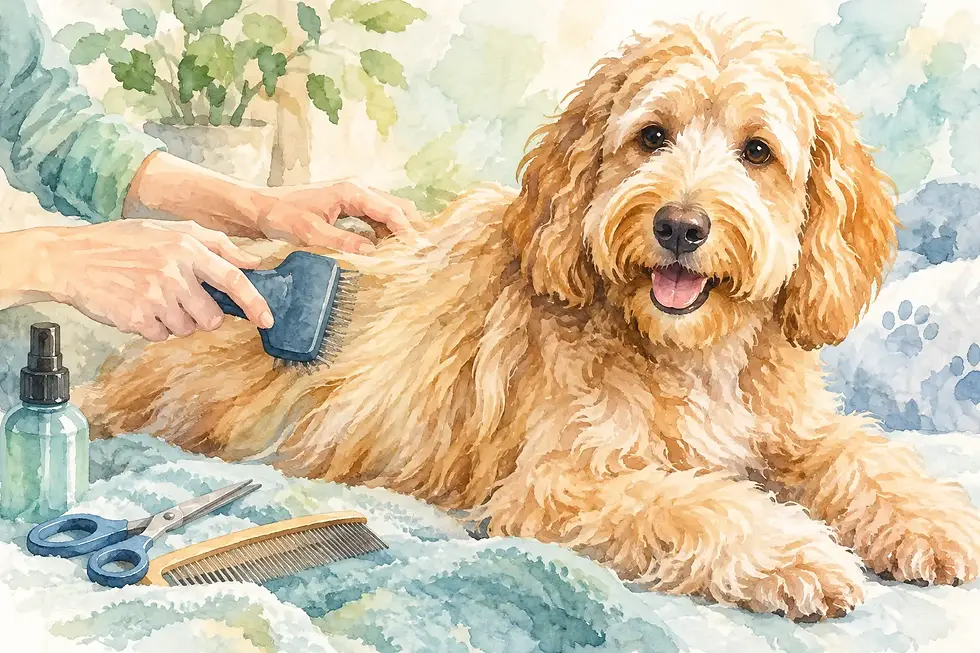
The right frequency depends on the coat. A short-haired Labrador may do well with a quick brushing once or twice a week. A Golden Retriever, German Shepherd, Husky, or other double-coated dog often needs more frequent attention during shedding season. Curly, long, or continuously growing coats may need several gentle sessions each week to prevent tangles from turning into mats.
Brushing is also a valuable comfort routine when it is introduced patiently. Use calm handling, short sessions, and a tool suited to your dog’s coat. If your pup walks away, stiffens, or seems worried, take a break. Forcing a long brushing session can make future grooming harder than it needs to be.
What a professional deshedding treatment adds
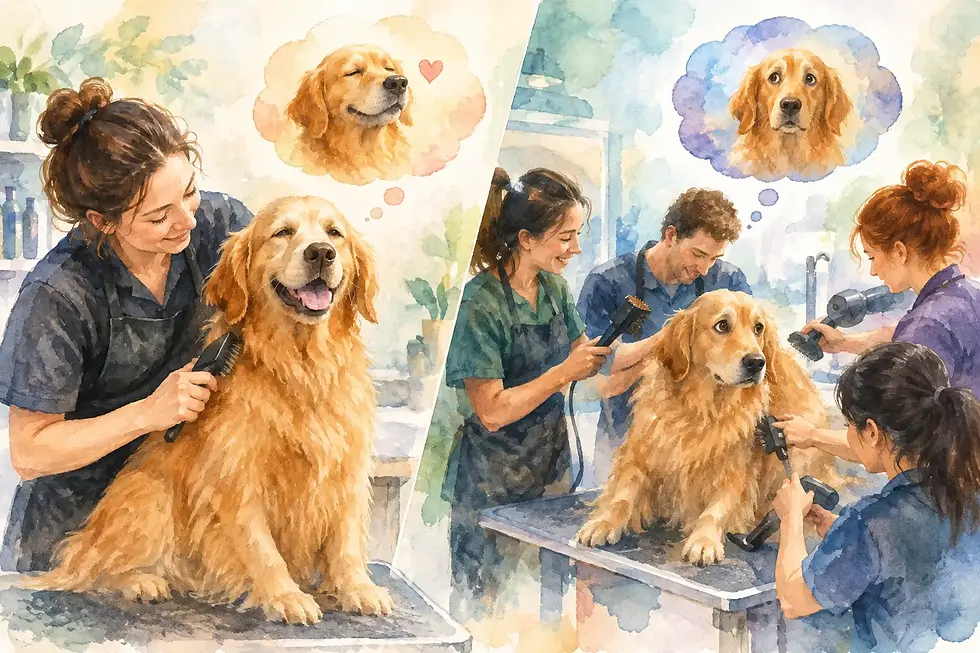
A deshedding treatment is a more thorough coat-care service, usually performed during a bath and grooming visit. It is designed to loosen and remove the undercoat that is ready to come out, especially on double-coated breeds. Think of it as helping the coat complete its natural shedding cycle in a clean, controlled way.
Professional deshedding typically involves more than a single tool. The process may include a coat-appropriate shampoo and conditioner, a careful bath that helps release dead hair, high-velocity drying where appropriate, and targeted brushing or combing. The goal is not to strip a dog’s coat or stop normal shedding completely. Dogs shed because their coats are supposed to renew. The goal is to remove the loose hair that would otherwise keep falling out at home.
That distinction matters. A quality treatment is tailored to the dog in front of the groomer. Coat density, skin sensitivity, age, breed type, matting, and tolerance for handling all affect the best approach. A dog with sensitive skin should never be aggressively brushed in the name of getting more hair out.
At The Wag Works, individualized, one-on-one care makes that assessment especially valuable. A quieter mobile grooming setting can be a better fit for dogs who become overwhelmed by car rides, busy salons, barking, or long waits. The focus stays on your dog’s comfort while providing the professional coat care their shedding season may call for.
Deshedding treatment versus brushing: the real difference
The simplest way to compare them is this: brushing is ongoing maintenance, while a deshedding treatment is deeper periodic support.
At-home brushing removes loose hair, helps prevent tangles, and keeps you familiar with your dog’s coat. It works best when it happens consistently. Even five to ten calm minutes several times a week can be more helpful than one rushed, frustrating session every few weeks.
A professional treatment reaches the hair that may be trapped deeper in a dense coat and combines the benefit of bathing, drying, and professional tools and technique. It can reduce the amount of loose fur your dog carries out of the appointment, but it cannot prevent future shedding. If someone promises a completely shed-free dog, that is not a realistic expectation.
The best choice is often both. A regular professional deshedding appointment can lighten the seasonal fur load, and simple home brushing helps maintain those results. Skipping brushing entirely after a treatment usually means loose hair and tangles build back up faster.
When brushing may be enough
For many dogs, a consistent home routine is all that is needed between regular baths and grooming. Brushing may be enough when your dog has a short, smooth coat; sheds lightly; has healthy skin; and is comfortable with being handled. It can also be sufficient outside of major seasonal shedding periods.
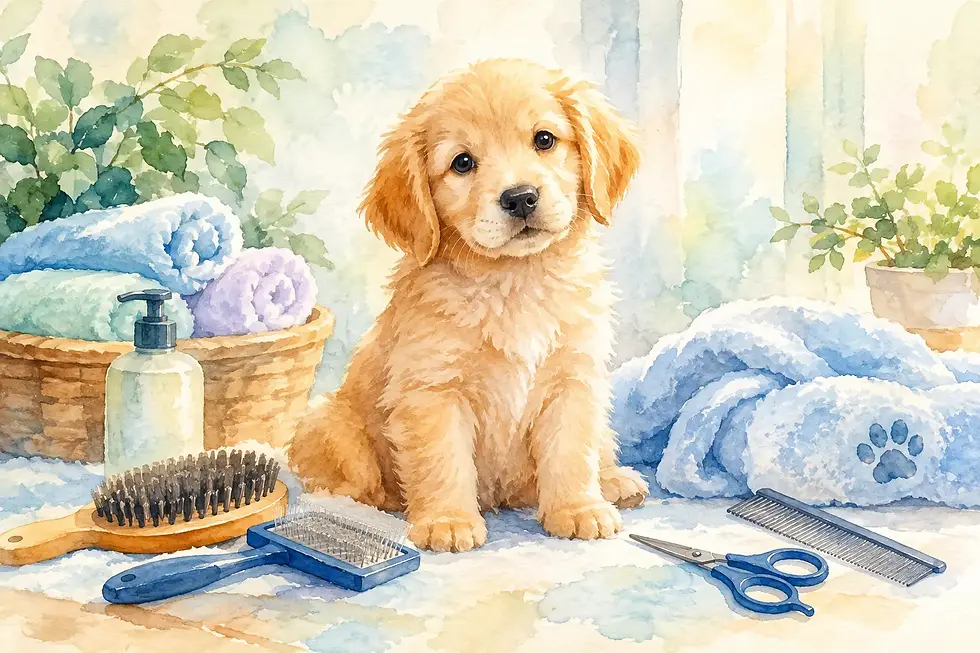
The key is using the proper tool. Rubber curry brushes and grooming mitts can work nicely for many short-haired coats. Slicker brushes, undercoat rakes, combs, and pin brushes each have a purpose, but they are not interchangeable. Using a sharp or harsh tool too often can scratch the skin, break healthy hair, or create discomfort.
If you are unsure what tool is right, ask your groomer during your next visit. A quick recommendation based on your dog’s actual coat is more useful than choosing a tool based on a label or a social media video.
When a deshedding treatment makes sense
A professional deshedding treatment is worth considering when your home brushing is not keeping up with the amount of fur coming out. It can be especially helpful during spring and fall coat blows, when double-coated dogs seem to shed enough fur to build a second dog.
You may also want professional help if your dog’s coat feels packed, dull, or difficult to brush through; if loose hair is collecting around the hindquarters, belly, or neck; or if brushing at home has become stressful for either of you. Senior dogs, anxious dogs, and dogs with mobility challenges may need shorter, gentler grooming sessions than owners can comfortably manage at home.
A deshedding treatment is not the same as shaving a double coat. In fact, shaving many double-coated breeds without a veterinary or clearly necessary grooming reason can interfere with the way the coat insulates and protects the skin. Proper deshedding removes dead undercoat while preserving the healthy coat your dog needs.
Signs that shedding may be more than shedding
Normal shedding should not leave your dog with bald patches, inflamed skin, a strong odor, sores, or nonstop scratching. Sudden or excessive hair loss can be connected to allergies, parasites, skin infections, hormonal changes, stress, or other health concerns.
Grooming supports coat health, but it does not replace veterinary care. If you see irritation, thinning spots, repeated licking, or a major change in your dog’s coat, check with your veterinarian before assuming a deshedding treatment is the solution. Once medical concerns are addressed, your groomer can help create a coat-care routine that supports your dog’s needs.
Keep shedding manageable between appointments
Consistency is more effective than intensity. Brush before loose hair becomes compacted, and keep sessions positive with praise, breaks, and treats when appropriate. Choose a time when your dog is relaxed, such as after a walk or a quiet evening at home.
Bathing too frequently with the wrong products can dry the skin, so avoid chasing every bit of fur with extra baths. A healthy diet, regular hydration, parasite prevention, and routine grooming all play a role in coat condition as well.
Most of all, let your dog guide the pace. A comfortable coat-care routine is not about winning a battle against fur. It is about helping your dog feel clean, cared for, and at ease - while keeping a little more of that fur off the couch.
Comments