
Can Dogs Get Stressed at Groomers?
Some dogs start showing stress before the groom even begins. The car ride, the unfamiliar smells, the noise from other pets, and the handoff to a new environment can all put them on edge. So if you have ever wondered, can dogs get stressed at groomers, the short answer is yes - and for some dogs, it happens quickly.
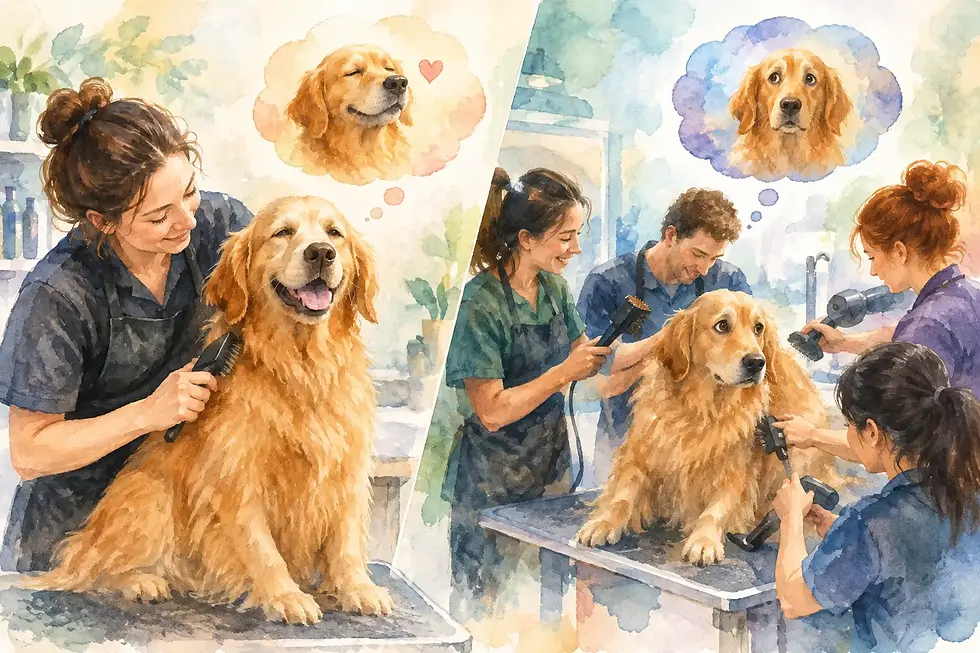
That does not mean grooming is bad for dogs. It means the experience matters. A dog who feels secure, handled gently, and groomed in a calm setting can have a very different response than a dog who is rushed through a busy salon with lots of stimulation.
Why can dogs get stressed at groomers?
Dogs process grooming as a full sensory event. We tend to think of it as a bath, a haircut, and a nail trim. Your dog may experience it as strange sounds, slippery surfaces, close physical handling, water, clippers buzzing near the face, and a person touching sensitive areas like paws, ears, and tail.
For some dogs, that is manageable. For others, especially puppies, seniors, rescue dogs, or naturally anxious dogs, it can feel overwhelming. Stress at the groomer is not always about the groomer doing something wrong. Sometimes it is simply the combination of unfamiliar handling and an overstimulating environment.
Crowded salons can add another layer. Barking dogs, ringing phones, dryers running, cages, and long wait times can make it harder for a dog to settle. Even friendly, well-trained dogs may struggle when there is too much happening around them.
Signs your dog may be stressed during grooming
Stress does not always look dramatic. Some dogs shake, whine, or try to pull away. Others go very still, which can be mistaken for cooperation when they are actually shutting down.
A stressed dog may pant heavily, drool, yawn repeatedly, lick the lips, pin the ears back, tuck the tail, or avoid eye contact. Some dogs tremble or resist having certain body parts touched. Others may become restless, vocal, or reactive. In more intense cases, stress can show up as snapping, trying to escape, or refusing to move.
It also helps to look at behavior before and after the appointment. If your dog seems reluctant to get in the car, acts unusually clingy, or comes home exhausted and out of sorts every time, that can be a clue that grooming is taking a bigger emotional toll than it should.
What makes grooming stressful for some dogs?
Every dog has a different threshold. A confident dog with positive early grooming exposure may do well almost anywhere. A dog with past fear, pain, or limited socialization may need a slower, more personalized approach.
One common trigger is separation from the owner. Even dogs who are usually independent can feel uneasy being dropped off and left in a busy setting. Another is unpredictability. Dogs do better when handling is calm and consistent. If they are passed between multiple people or spend a long time waiting, stress can build.
Physical discomfort matters too. Matted coats pull at the skin. Overgrown nails can make paw handling uncomfortable. Skin irritation, ear sensitivity, dental pain, or age-related soreness can make routine grooming feel harder than usual. In those cases, what looks like bad behavior may actually be discomfort.
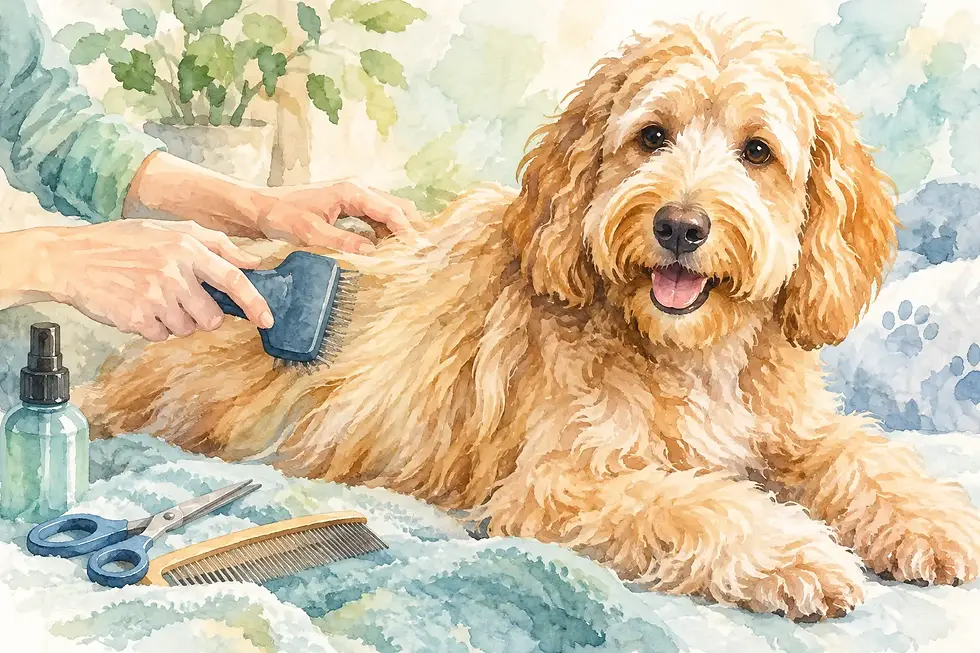
Breed and coat type can also play a role. Dogs who need more frequent brushing, deshedding, or trimming may have longer appointments and more handling. That does not automatically mean they will be stressed, but it does mean the grooming process needs patience and attention to their tolerance level.
Can dogs get stressed at groomers even if they have been groomed before?
Absolutely. Past experience helps, but it does not guarantee every appointment will feel easy. A dog can be fine for months and then become more sensitive with age, after a health issue, or following one unpleasant experience.
Puppies often go through a learning curve. Senior dogs may become less comfortable standing for long periods or having joints manipulated. Rescue dogs may need time to build trust. Even a generally easygoing dog can have an off day.
This is why a one-size-fits-all approach does not work well. Grooming should adjust to the dog in front of you, not just the service on the schedule.
How a lower-stress grooming setup can help
When the goal is pet comfort, the environment changes everything. A quieter, one-on-one appointment often helps dogs stay more regulated because there is less noise, less waiting, and fewer unfamiliar animals around them.
That is one reason mobile grooming can be a better fit for many families. Instead of loading your dog into the car, driving across town, and leaving them in a salon environment, the groom happens right outside your home in a private, fully equipped space. That removes several common stress triggers at once.
For dogs who dislike car rides, get overwhelmed by crowded settings, or struggle with long separations, the difference can be significant. A cage-free, individualized appointment gives the groomer more room to work at the dog's pace while still delivering professional results.
At The Wag Works, that calm, one-on-one approach is central to the experience. It is designed for dogs who benefit from less chaos and more personalized attention, without compromising cleanliness, safety, or grooming quality.
What owners can do before the appointment
You cannot remove every source of stress, but you can make grooming easier for your dog. Start with routine. Dogs often feel more secure when the day feels predictable. If possible, book at a time when your dog is usually calm rather than during a hectic part of the day.
A potty break beforehand helps. So does a little quiet time instead of amping them up right before the appointment. If your dog is food motivated and your groomer allows it, treats can support positive associations.
It also helps to be honest about your dog. If they hate having their nails handled, have a history of anxiety, or are sensitive around the face or ears, say so. Good grooming is not just about technique. It is about knowing what the dog needs before the service begins.
Regular appointments can make a difference too. When grooming is spaced too far apart, coats become harder to manage and the process can become less comfortable. Keeping your dog on a consistent schedule usually means shorter, easier sessions and fewer surprises.
What a good groomer watches for
A pet-first groomer pays attention to body language, not just the task list. If a dog is getting flooded with stress, pushing through faster is rarely the best answer. Sometimes the right move is slowing down, changing technique, giving the dog a moment, or adjusting expectations for that appointment.
That may mean a perfect finish takes a back seat to a safe, calm experience. Most owners of anxious dogs understand this trade-off. Comfort and trust come first. Over time, that often leads to better grooming cooperation anyway.
Professional standards matter here. A clean, sanitized setup, careful handling, and a groomer who understands canine behavior create a safer experience. So does working with someone who treats your dog as an individual rather than another spot on the schedule.
When grooming stress may need extra attention
If your dog shows severe fear, panic, or aggression during grooming, it may be worth talking with your veterinarian as well as your groomer. There could be an underlying medical issue contributing to the reaction. Pain, skin problems, arthritis, ear infections, or neurological changes can all affect tolerance.
Some dogs also benefit from a gradual desensitization plan at home. Practicing short, gentle handling sessions with paws, ears, brushing, or standing calmly on a mat can build confidence between appointments. Progress is usually slow and steady, not instant.
The goal is not to force a dog to tolerate grooming at any cost. The goal is to make necessary care feel as safe and manageable as possible.
Grooming should support your dog's well-being, not work against it. If your dog seems tense every time grooming comes around, trust what you are seeing. A calmer setting, gentler handling, and a more individualized approach can turn grooming from something your dog dreads into something they can handle with far more comfort. Where wagging tails are our business. Literally!
Comments