
Dog Grooming for Matted Coats Done Safely
A mat can go from a small tangle behind the ears to a painful full-body problem faster than most owners expect. If you are dealing with knots that feel tight, dense, or close to the skin, dog grooming for matted coats needs to be handled with extra care. This is not just about appearance. Mats can pull on the skin, trap moisture and debris, and make everyday movement uncomfortable for your dog.
For many dogs, especially those with curly, long, or fine coats, matting builds quietly. A little friction from a harness, some damp fur after a walk, or missed brushing sessions can create tangles that tighten over time. Senior dogs, anxious dogs, and dogs who dislike handling often get matted more easily because routine coat care becomes harder to keep up with.
Why matted coats are more serious than they look
From the outside, a matted coat can seem like a grooming issue. In reality, it is often a comfort and health issue first. Tight mats pull constantly at the skin. That pulling can make it painful for a dog to lie down, walk, or even turn their head, depending on where the matting is located.
Mats also hide what is happening underneath. Skin irritation, redness, hot spots, fleas, ticks, and sores can all sit under packed fur without being obvious. In humid weather, trapped moisture can make matters worse. If matting is near the sanitary area, feet, or underarms, it can interfere with cleanliness and daily movement.
This is why severe matting should never be treated like a simple cosmetic fix. A safe groom starts with understanding how close the coat is to the skin, how sensitive the dog is to handling, and whether brushing would cause more discomfort than relief.
Dog grooming for matted coats starts with an honest assessment
The first step is determining what kind of matting you are actually dealing with. A few loose tangles in feathering or behind the ears may be brushable with the right tools and a gentle hand. Thick, tight mats that sit flat against the skin are a different story.
If you cannot slide a comb between the mat and the skin, the coat is usually too compacted for brushing out safely. Trying to force a brush through severe matting can cause bruising, skin tears, and a very negative experience for the dog. That matters, especially for pups who are already nervous about grooming.
A professional assessment also takes behavior into account. Some dogs tolerate coat work well. Others become stressed when their legs, belly, tail, or face are handled. In those cases, a one-on-one, low-stimulation setting can make a real difference. The quieter and more controlled the experience, the easier it is to work carefully without rushing the dog.
When brushing is appropriate and when clipping is kinder
Owners often hope every matted coat can be saved with detangling. Sometimes it can. Sometimes it should not be. The kindest option is not always the fluffiest finish.
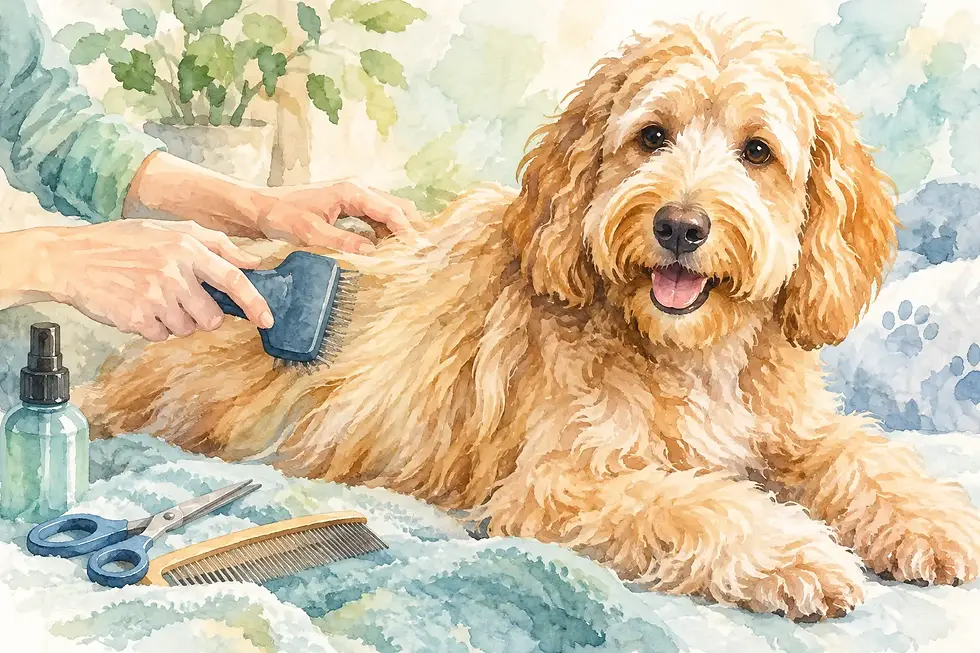
Light matting can often be worked through section by section using coat-safe products, proper tools, and a steady approach that does not yank at the skin. This takes time and patience. It also depends on the dog’s tolerance, coat type, and the location of the tangles.
Moderate to severe matting is different. If the coat is pelted, tight to the skin, or spread across sensitive areas, clipping under the mats is usually the safest and most humane option. That can mean a shorter haircut than the owner expected, but it relieves tension quickly and lowers the risk of injury. In many cases, starting fresh is the better path for the dog’s comfort.
There is a trade-off here. Brushing out mats preserves coat length, but it can be physically uncomfortable and time-intensive. Clipping removes the problem faster and more safely, but it changes the look of the coat for a while. A good groomer will explain that trade-off clearly and choose the option that puts the dog first.
Why severe matting should not be a DIY project
It is understandable to want to help at home. The problem is that matted coats are harder to work on than they appear. Skin gets pulled up into mats, which makes scissors especially risky. Even experienced professionals avoid using scissors on tight matting because the chance of cutting the skin is too high.
Home dematting tools can also create problems when used without training. What feels like "working through a knot" may actually be scraping or tearing at the coat and skin underneath. Dogs often stay still because they are uncomfortable, not because the process is painless.
Bathing a matted dog before removing the tangles is another common mistake. Water tightens mats. Shampoo and drying can compact them further, making them even harder to remove. If your dog has widespread matting, it is best to have the coat evaluated before trying to wash or brush it out on your own.
What a gentle grooming process should look like
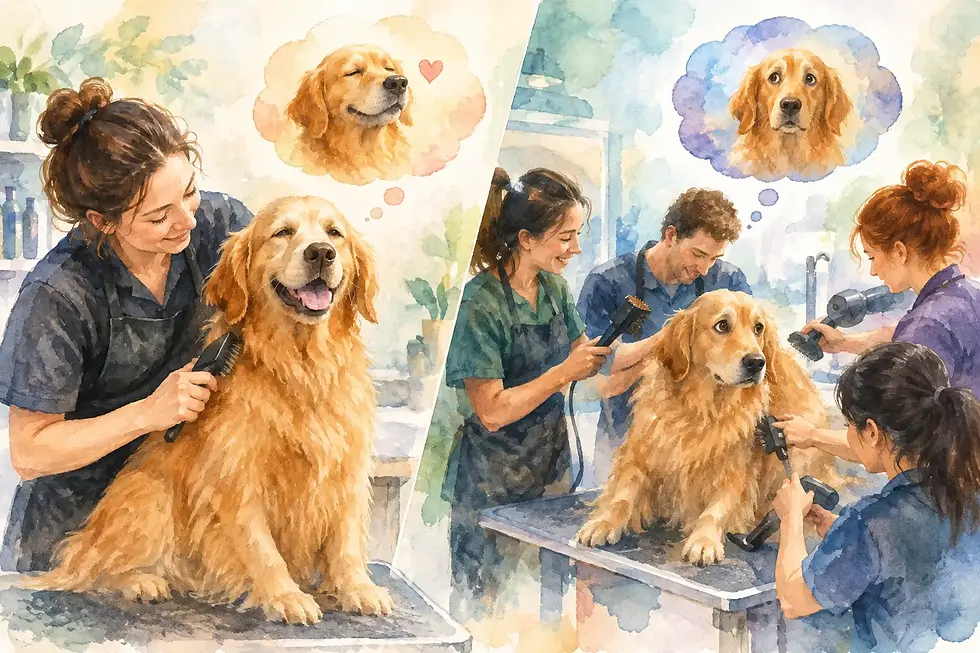
Dogs with matted coats need more than technical skill. They need calm handling, close observation, and enough time to work safely. That is one reason many owners prefer a private, cage-free appointment instead of a busy salon environment.
A gentle process begins with a coat and skin check, followed by a plan based on severity. If clipping is needed, the groomer works slowly and carefully, especially around folds, underarms, ears, and sanitary areas where skin can be delicate. As mats come off, hidden irritation may become visible, and those areas need a cautious touch.
Behavior matters throughout the appointment. A dog who is anxious, older, or sensitive may need breaks and quiet reassurance. One-on-one grooming often helps because there is less noise, less waiting, and less overstimulation. For many pets, especially those who struggle with car rides or crowded spaces, that lower-stress setup can change the whole experience.
At The Wag Works, this kind of pet-first approach matters because comfort and safety are not extras. They are part of doing the job well.
Aftercare matters just as much as the haircut
Once a matted coat is removed, the skin may be more sensitive than usual. Some dogs feel immediate relief and act lighter right away. Others may be itchy or a little unsure because they are adjusting to the new sensation of shorter fur.
After grooming, keep an eye out for redness, irritation, or excessive scratching. If the dog had heavy matting, the skin may have been hidden and stressed for some time. Gentle monitoring at home is helpful, and if anything looks unusual, a veterinary check is the right next step.
This is also the moment to reset the routine. Severe matting usually develops from a mix of coat type, schedule, lifestyle, and tolerance for brushing. Once the coat is clean and manageable again, it becomes much easier to stay ahead of future tangles.
How to prevent matting from coming back
Prevention is almost always easier than correction. The right routine depends on your dog’s coat, but consistency matters more than perfection. A doodle, Shih Tzu, Poodle mix, or long-haired small breed may need much more maintenance than a short-coated dog, even if they look fine on the surface.
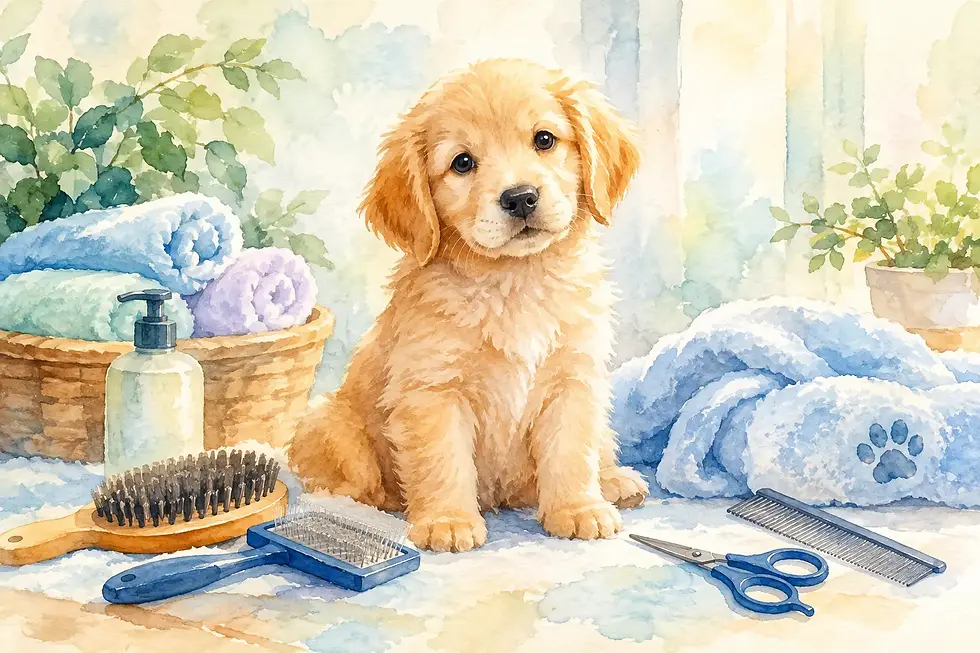
Brushing should reach all the way to the skin, not just smooth the top layer. That means paying attention to friction spots like behind the ears, under the collar, in the armpits, on the chest, around the tail, and between the legs. If a comb cannot pass through after brushing, there is still likely a tangle forming underneath.
Regular professional grooming is also part of prevention. The right schedule depends on coat growth and home maintenance, but waiting too long between appointments is one of the biggest reasons matting returns. For some dogs, every 4 to 6 weeks is ideal. For others, a slightly longer cycle works if brushing is done consistently at home.
If your dog dislikes brushing, shorter sessions can help. A few calm minutes several times a week is often more realistic than one long struggle. Pairing coat care with treats, praise, and quiet handling can make it easier over time.
Dog grooming for matted coats is really about comfort
When a coat is heavily tangled, the goal should not be saving every inch of fur. The goal is helping the dog feel better in the safest way possible. That may mean a shorter trim, a reset in the grooming routine, or choosing a quieter grooming environment that keeps stress down while the work is being done.
Every dog is different. Coat type matters, age matters, behavior matters, and the severity of the matting matters. But the standard should stay the same: gentle handling, honest recommendations, and a process that protects both skin and trust.
If your dog’s coat has gotten past what a brush can reasonably fix, that does not mean you have failed. It means your dog needs thoughtful care now, and a better maintenance plan going forward. A comfortable dog with a fresh start is always a good place to begin.
Comments