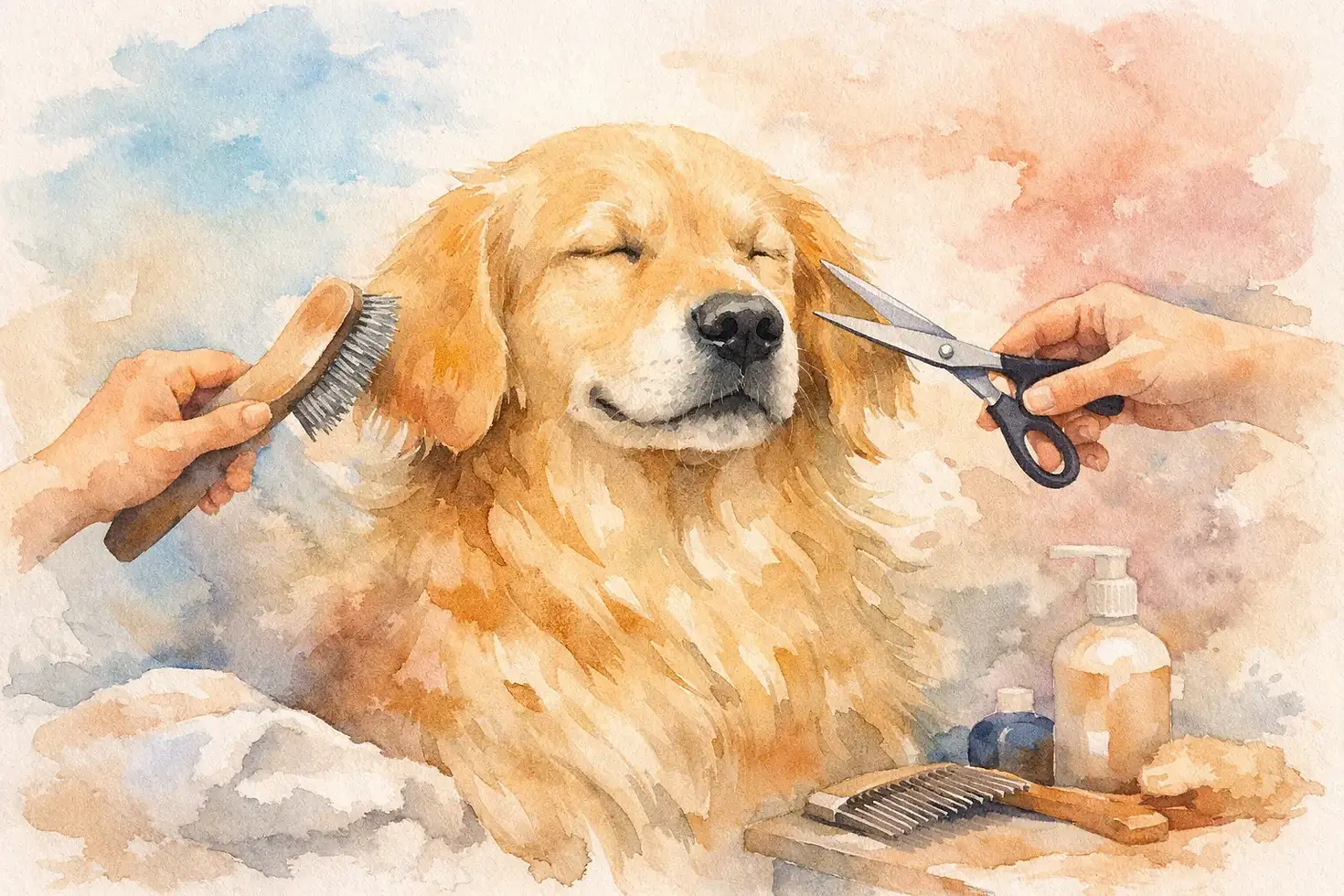
How to Keep Dogs Calm During Grooming
- lindseyleggett8
- Jun 30
- 6 min read
The shaking usually starts before the brush ever comes out. Some dogs tense up when they see the leash, some get nervous at the sound of running water, and some seem to know a nail trim is coming from a mile away. If you have been wondering how to keep dogs calm during grooming, the answer is rarely one magic trick. It is usually a combination of preparation, timing, environment, and gentle handling that helps a dog feel safe instead of overwhelmed.
For many dogs, grooming is not just about getting clean. It can involve noise, unfamiliar tools, restraint, new sensations, and a lot of close handling. Even sweet, well-behaved dogs can struggle when they feel unsure. The good news is that calm grooming is often something you can build over time.
Why some dogs get stressed during grooming
Dogs react to grooming for different reasons, and that matters because the right solution depends on the cause. A puppy may be nervous simply because everything is new. A senior dog may be uncomfortable standing for long periods or sensitive around sore joints. A rescue dog may have had a bad past experience with rough handling, loud salons, or being rushed through the process.
Sometimes the stress starts before the appointment. Car rides, waiting rooms, barking dogs, and crowded spaces can put a dog on edge before grooming even begins. That is one reason environment makes such a big difference. A dog who panics in a busy salon may do much better in a quieter, one-on-one setting.
It also helps to be honest about your dog’s triggers. Is it the dryer? The nails? The brushing around mats? Does your dog do fine with bathing but hate face trimming? The more specific you are, the easier it is to adjust the experience in a way that feels manageable.
How to keep dogs calm during grooming before it starts
A calm appointment begins well before the first shampoo. If your dog arrives already overstimulated, grooming gets harder for everyone. Try to schedule grooming at a time when your dog is usually relaxed, not during the busiest or most chaotic part of the day.
Exercise can help, but there is a balance. A short walk or some light play beforehand may take the edge off and make it easier for your dog to settle. Too much activity right before grooming can leave a dog wound up, thirsty, and harder to handle. Think gentle energy release, not a full workout.
Your own mood matters too. Dogs read body language remarkably well. If you are rushed, apologetic, or visibly anxious, your dog may decide there is something to worry about. Calm, matter-of-fact handoffs and a steady tone go a long way.
If your dog is especially sensitive, avoid making grooming feel like a surprise. Bring out the brush on non-grooming days. Touch paws briefly and reward calm behavior. Let your dog hear the clippers or dryer from a distance without immediately starting a full session. That kind of low-pressure exposure can reduce the fear that comes from unfamiliar sounds and sensations.
Build positive associations, not just tolerance
A lot of owners focus on getting the job done. That is understandable, especially with a wiggly dog. But when every grooming interaction feels like something to endure, anxiety tends to grow. A better goal is to teach your dog that grooming predicts good things.
Treats can help, if your dog is food-motivated and allowed to have them. Praise helps too, especially when it is calm and specific instead of overly excited. Some dogs relax with steady touch and quiet reassurance. Others prefer less talking and more predictable handling. It depends on the dog.
Keep in mind that timing matters more than quantity. Reward the moment your dog stands still, allows paw handling, or relaxes during brushing. That helps your dog connect the calm behavior with a positive outcome.
If your dog is very anxious, progress may look small at first. One peaceful nail, one relaxed minute in the bath, or one successful brushing session is still progress. Pushing too far too fast can undo the trust you are trying to build.
The environment can make or break the experience
When people think about how to keep dogs calm during grooming, they often focus on techniques and forget the setting itself. But environment is often one of the biggest factors in stress.
Noise is a common trigger. Barking dogs, phones, dryers, and general salon activity can be overwhelming, especially for dogs that are already nervous. Strong smells, slippery floors, and long waits can add to that stress. Some dogs cope fine. Others shut down or become reactive.
That is why a quieter, more private setup can be such a relief. One-on-one grooming reduces distractions and allows the pace to match the dog in front of you rather than the schedule of a crowded salon. For many anxious dogs, eliminating the car ride and avoiding a busy waiting area lowers stress before grooming even begins. In North Georgia, many pet parents choose mobile grooming for exactly that reason. The Wag Works was built around that lower-stress, cage-free approach because comfort is not an extra - it is part of quality care.
Gentle handling matters more than speed
A rushed dog usually does not become a calm dog. Fast grooming can sound efficient, but if the process feels abrupt or forceful, it often creates more resistance. Gentle handling does not mean grooming takes forever. It means moving with intention, reading body language, and adjusting when a dog needs a beat to settle.
Watch for early signs of stress such as lip licking, yawning, stiff posture, turning away, or pulling a paw back. Those signals often appear before growling or snapping. When you catch them early, you have a chance to slow down, reposition, offer reassurance, or take a short pause.
This is especially important with sensitive areas. Feet, ears, face, and sanitary trims can feel invasive to a nervous dog. A calm approach, secure but kind restraint, and a groomer who does not fight the dog at every step can make a major difference.
Routine helps dogs know what to expect
Dogs generally do better when life feels predictable. That applies to grooming too. If appointments happen only when a coat is badly matted or nails are far overdue, grooming tends to be more uncomfortable. And when it is uncomfortable, dogs remember.
A regular schedule keeps the process easier on the body and less dramatic emotionally. Shorter, more frequent appointments are often a better fit for anxious dogs than occasional marathon sessions. A well-maintained coat is easier to brush. Shorter nails are easier to trim. Familiar routines usually feel safer than long gaps followed by intense handling.
Consistency with the same groomer can also help. Trust builds through repetition. When a dog learns that the same person handles them gently every time, the experience can become far less stressful.
When anxiety may be tied to pain or health issues
Not every grooming struggle is behavioral. Sometimes a dog is reacting because something hurts. Ear infections, skin irritation, dental pain, arthritis, and matted coats can all make grooming feel miserable. If your dog suddenly becomes more reactive during brushing, bathing, or handling, it is worth paying attention.
Senior dogs often need extra support with standing, positioning, and appointment length. Puppies need patience and shorter sessions while they learn. Dogs with medical conditions may need a modified plan altogether. There is no one-size-fits-all answer, and that is okay.
If your dog’s anxiety is severe, talk with your veterinarian and your groomer. In some cases, behavior support or a medical plan may be appropriate. The goal is not to force a dog through grooming at all costs. The goal is safe, humane care.
What owners can do at home between appointments
You do not need to turn your house into a full grooming salon to help your dog. Small habits at home can make professional grooming much easier. Regular brushing, brief paw handling, wiping the face gently, and rewarding calm stillness all teach useful skills.
Keep sessions short. End on a good note when possible. If your dog hates brushing, a few relaxed minutes every few days is often better than one long wrestling match once a month. If your dog is fearful of nail trims, practice touching the paws and nails without trimming every single time.
The goal is familiarity. Dogs who are used to being handled kindly at home tend to have an easier time when it is time for the full grooming process.
A calm dog is not always a naturally easy dog. Often, it is a dog whose people and groomer have created the right conditions for success. When grooming is quieter, gentler, and more predictable, many dogs stop bracing for it and start settling into it. That shift can take time, but it is worth it - for your dog’s comfort, for their safety, and for every future appointment.


Comments