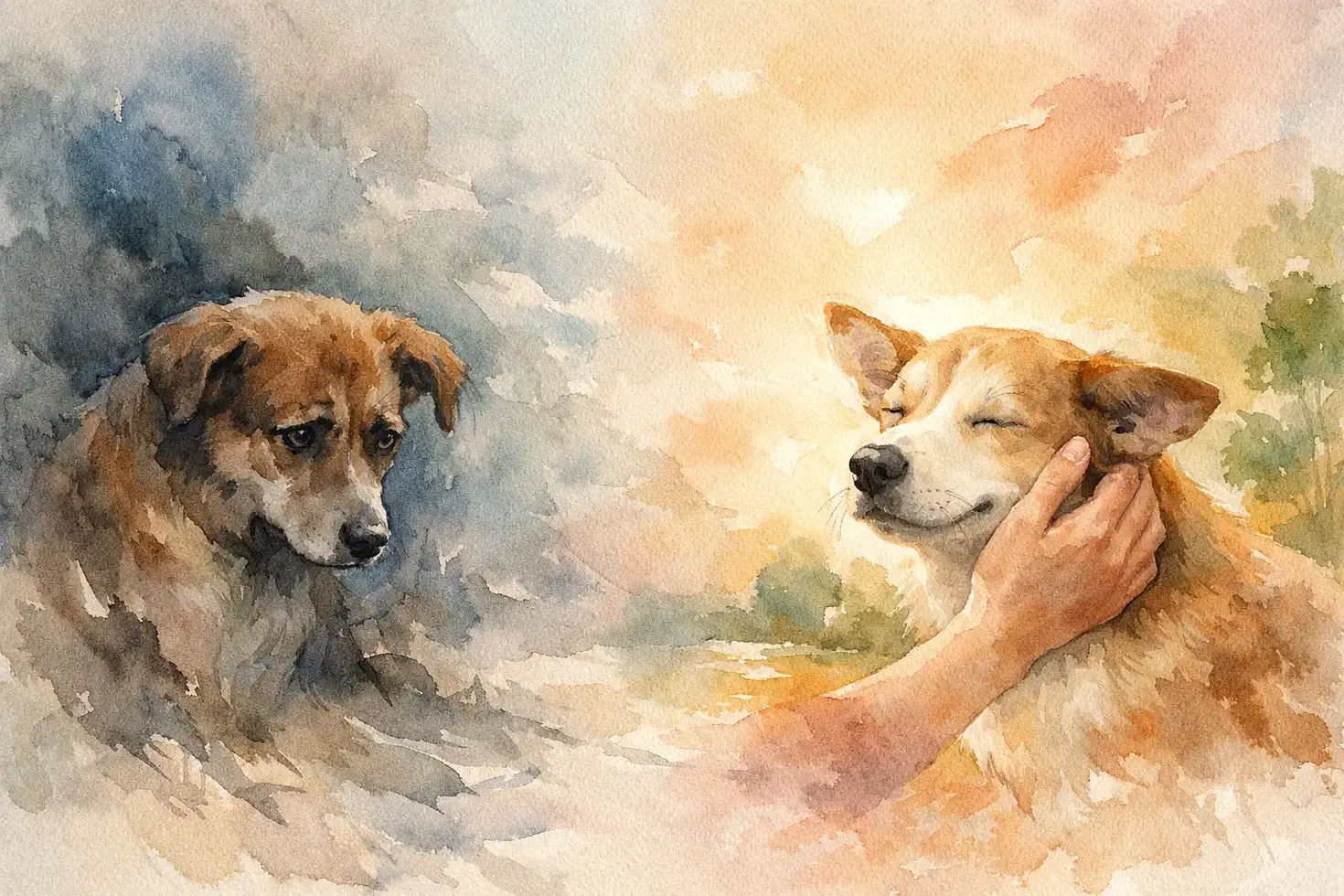
Anxious Dog Transformation Starts With Calm Care
A trembling dog at the sight of the leash, a pup who pants through a car ride, or one who shuts down in a busy grooming lobby is not being difficult. They are communicating that the experience feels like too much. An anxious dog transformation rarely happens through one big breakthrough. More often, it begins with smaller moments of safety, predictability, and gentle care.
For many North Georgia pet parents, grooming is one of those moments that can either add to a dog’s stress or help rebuild trust. A calmer approach will not change every dog overnight, and it is not a replacement for veterinary or behavioral care when anxiety is severe. But the right environment, pace, and handling can make a meaningful difference in how a dog experiences grooming.
Why Grooming Can Feel So Big to an Anxious Dog
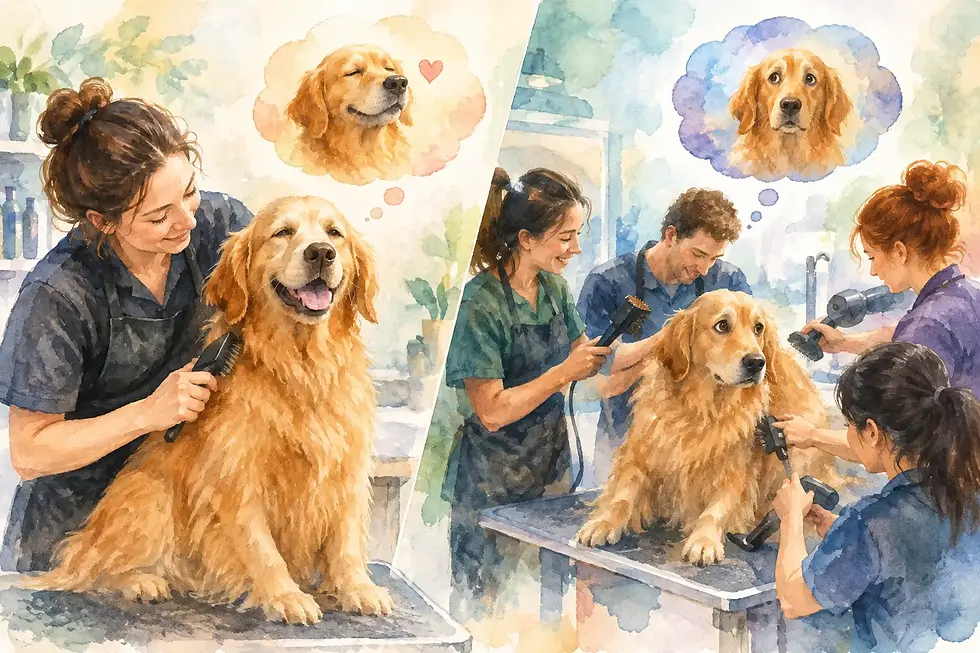
A traditional salon can ask a lot of a sensitive dog before the grooming even starts. There is the car ride, unfamiliar smells, barking nearby, new people, waiting in a kennel, and the sound of dryers and clippers. Even a friendly, well-loved dog may find that combination overwhelming.
Dogs do not always show stress the same way. Some pull toward the exit or vocalize. Others freeze, lick their lips, yawn repeatedly, turn away, tuck their tail, or become unusually still. A dog who seems “fine” but is rigid and quiet may need just as much patience as the dog who is openly upset.
The goal is not to force a dog to enjoy every part of grooming immediately. The goal is to help them learn that they will be handled gently, listened to, and brought through each step without unnecessary pressure.
What an Anxious Dog Transformation Really Looks Like
A successful anxious dog transformation is usually quiet. It might look like a dog who once resisted entering the grooming space choosing to step in on their own. It may be fewer stress signals during a bath, a softer body posture during brushing, or a pup who settles more quickly after nail trimming.
Progress is not always a straight line. A dog may do well for several appointments and then struggle after a change in routine, an illness, a painful mat, or a particularly noisy day at home. That does not erase previous progress. It simply gives the groomer and owner useful information about what the dog needs.
Consistency matters because it lets your dog recognize the pattern. The same calm greeting, similar handling, and an appointment focused on their needs can feel much safer than a new, crowded experience each time.
Comfort Is Not the Same as Rushing
When a dog is nervous, it can be tempting to get the appointment over with as quickly as possible. Sometimes a shorter service is the kindest choice, especially for puppies, seniors, or dogs with a very low tolerance. Still, speed alone is not the answer.
A thoughtful groomer watches the dog’s responses and adjusts the pace. That may mean allowing a brief pause, using a gentler drying approach, working carefully around sensitive areas, or planning shorter, more frequent visits while trust is being built. The right choice depends on the dog’s coat, physical needs, and emotional comfort.
Why One-on-One Grooming Can Help
For dogs who struggle with stimulation, fewer moving parts can make a real difference. One-on-one grooming removes many common stressors: crowded waiting areas, unfamiliar dogs nearby, long kennel stays, and the unpredictability of a high-volume salon.
Mobile grooming adds another layer of relief. There is no stressful trip across town, no sitting in a lobby, and no need for your dog to spend the day away from home. Instead, professional care arrives at your doorstep in a fully equipped, sanitized grooming space.
At The Wag Works, each appointment is designed to be cage-free and individualized, with your dog receiving focused attention from start to finish. That private setting is especially helpful for dogs who are reactive around other pets, uncomfortable in confined spaces, or simply more at ease without an audience.
Preparing Your Dog for a Calmer Grooming Visit
You do not need to turn your home into a training center before a grooming appointment. A few simple choices can set your dog up for a better experience.
Keep the hours before the appointment low-key. If your dog enjoys a relaxed walk, that can help them settle, but avoid an exhausting outing or a highly stimulating dog park visit. Give them a chance to use the bathroom before the groomer arrives, and have a quiet place ready for the handoff.
It also helps to share honest details about your dog. Let the groomer know if your dog dislikes their feet being touched, startles at loud sounds, guards a sensitive area, has arthritis, has recently had a vet visit, or becomes uneasy around strangers. This is not about labeling your dog as difficult. It is about giving the person caring for them the information needed to work safely and respectfully.
If your dog has a history of biting, intense panic, or pain during handling, speak with your veterinarian as well. In some cases, a medical or behavior plan should come before a full grooming service. Gentle grooming and veterinary guidance can work together, but neither should be expected to do the other’s job.
The Grooming Details That Build Trust
Trust is built in the little things. It is built when a dog is given time to sniff and orient before handling begins. It is built when brushing is done with care rather than pulling through tangles. It is built when a groomer notices a dog is reaching their limit and adjusts instead of pushing forward.
Coat maintenance plays a role, too. Mats can be painful, particularly behind the ears, under the collar, in the armpits, and around the legs. A dog who has experienced discomfort during brushing may become worried before the brush even touches them. Regular grooming, at an interval that suits their coat and lifestyle, can prevent small tangles from becoming painful problems.
Nail care deserves the same thoughtful approach. Long nails can change how a dog stands and walks, while previous discomfort may make paw handling especially stressful. Some dogs benefit from brief, calm nail appointments between full grooms so the task feels more familiar and manageable.
Communication Makes Personalized Care Possible
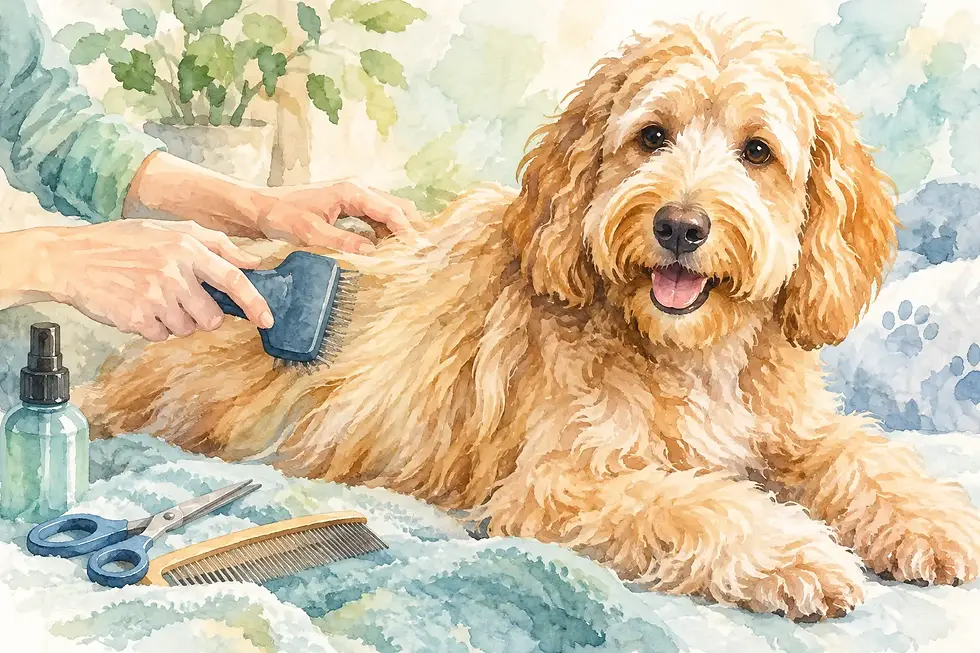
The best grooming plan is not one-size-fits-all. A puppy learning the process needs different support than a senior dog with stiff joints. A curly-coated doodle may require regular brushing and coat maintenance, while a short-haired dog may benefit most from a soothing bath, deshedding, and nail care.
Tell your groomer what has worked at home and what has not. If your dog responds well to a soft voice, a particular handling approach, or a few minutes of space at the beginning, that information matters. Likewise, ask what you can do between visits to make future appointments easier.
When to Adjust the Plan
There are times when a full groom may not be the best choice that day. A dog with severe matting, skin irritation, an injury, or escalating fear may need a modified service, additional appointments, or veterinary clearance. Choosing a safer plan is not a failure. It is pet-first care.
Watch for changes after grooming, too. Most dogs need a little rest after a bath and blow-dry, especially if the experience was new. But ongoing limping, intense scratching, unusual sensitivity, or prolonged distress should be discussed with your groomer and veterinarian.
The most reassuring transformation is not a dog who has been taught to tolerate discomfort in silence. It is a dog who gradually learns that grooming can be predictable, gentle, and safe. With patient handling, consistent appointments, and a setting that respects their limits, even the most worried pup can find more comfort in the care they need.
Comments