
How Often Should Dogs Be Groomed? A Calm Plan
A dog who comes home clean but spends the next week scratching, matting, or avoiding the brush has not truly had a grooming routine that works for them. So, how often should dogs be groomed? The honest answer depends on their coat, skin, activity level, and comfort with handling. The best schedule is not simply about keeping your dog looking tidy. It is about helping them stay comfortable, clean, and confident year-round.
For many North Georgia families, regular grooming also makes everyday life easier. Less shedding on the sofa, fewer muddy paws after a walk, and nails that do not click across the floor are all small signs that a dog’s care routine is on track.
How Often Should Dogs Be Groomed?
Most dogs benefit from professional grooming every 4 to 8 weeks, but that range is broad for a reason. A short-haired Beagle with healthy skin may only need a bath and tidy-up every 8 to 12 weeks, while a Doodle, Poodle, or Shih Tzu may need professional grooming every 4 to 6 weeks to prevent painful matting.
Between appointments, every dog needs some level of home care. Brushing, checking ears, wiping paws, and watching nail length help catch small problems before they become uncomfortable. Professional grooming and at-home maintenance work best as a team, especially for dogs with fast-growing coats or sensitive skin.
A simple schedule by coat type
Short, smooth coats are usually lower maintenance, but they are not no-maintenance. Dogs such as Labs, Boxers, Pugs, and French Bulldogs often do well with regular bathing, deshedding, nail care, and ear checks every 6 to 10 weeks. They may need more frequent baths if they love rolling in the yard, swimming, or have seasonal allergies.
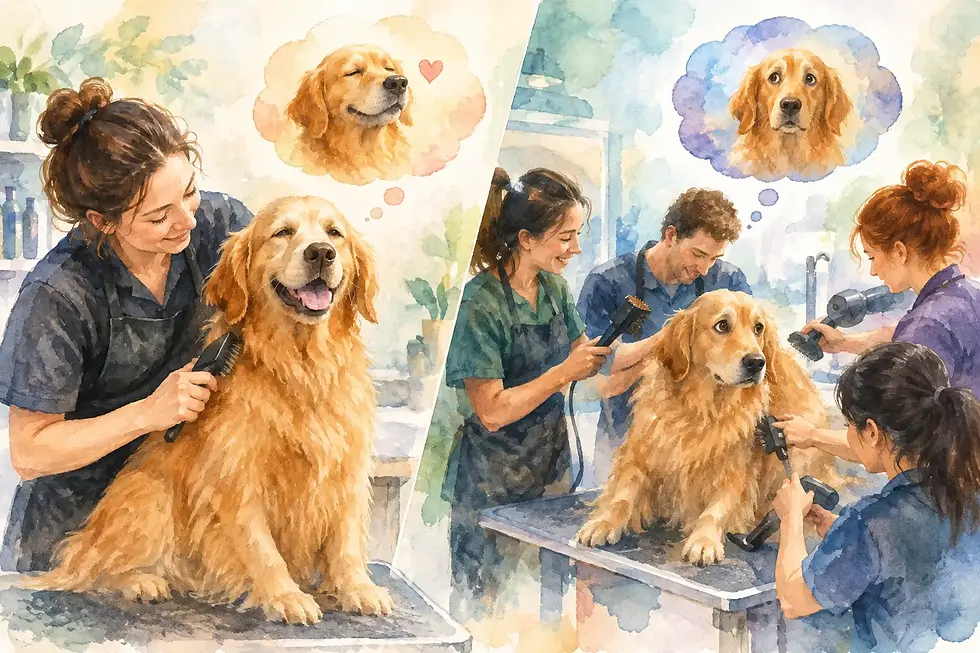
Double-coated dogs, including Golden Retrievers, German Shepherds, Huskies, and Australian Shepherds, often benefit from grooming every 4 to 8 weeks. Their undercoat can pack in tightly during shedding seasons, trapping loose hair, dirt, and moisture close to the skin. A professional deshedding service can help remove loose coat without shaving or damaging the protective double coat.
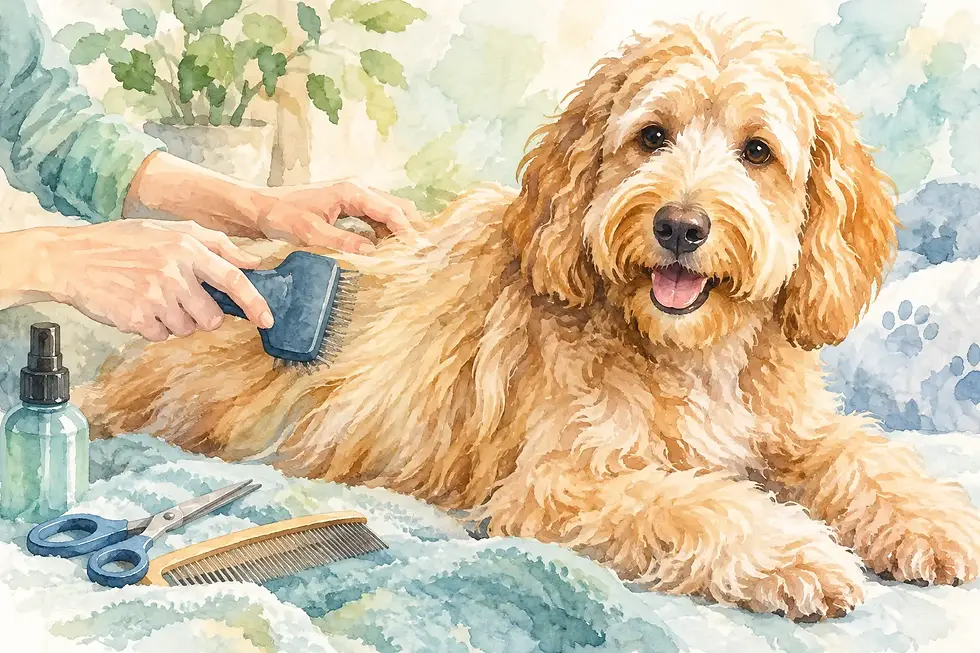
Curly, wavy, and continuously growing coats need the most consistent planning. Poodles, Doodles, Bichons, Maltese, Yorkies, and many mixed breeds usually need a full groom every 4 to 6 weeks. Their hair can knot close to the skin long before mats are visible from the outside. If a longer style is preferred, daily or near-daily brushing at home is often necessary.
Wire, long, and silky coats have their own needs. A Terrier may need regular brushing and hand-stripping considerations depending on the coat and desired look. Long-coated breeds such as Cavaliers, Cocker Spaniels, and Afghan Hounds can benefit from grooming every 4 to 8 weeks, with frequent brushing to keep feathering, ears, and leg hair free of tangles.
Your Dog’s Lifestyle Can Change the Schedule
Coat type gives a helpful starting point, but your dog’s daily life matters just as much. A dog who hikes wooded trails, splashes in creeks, visits daycare, or spends plenty of time outdoors may need baths and paw care more often than a mostly indoor companion.
Dogs with skin allergies, oily coats, recurring yeast issues, or flea concerns may need a veterinarian-recommended bathing routine. More bathing is not automatically better. The wrong shampoo or too-frequent washing can dry out the skin and make irritation worse. A groomer can help you choose grooming services that support your dog’s coat, but persistent itching, redness, hair loss, odor, or ear discomfort should always be discussed with your veterinarian.
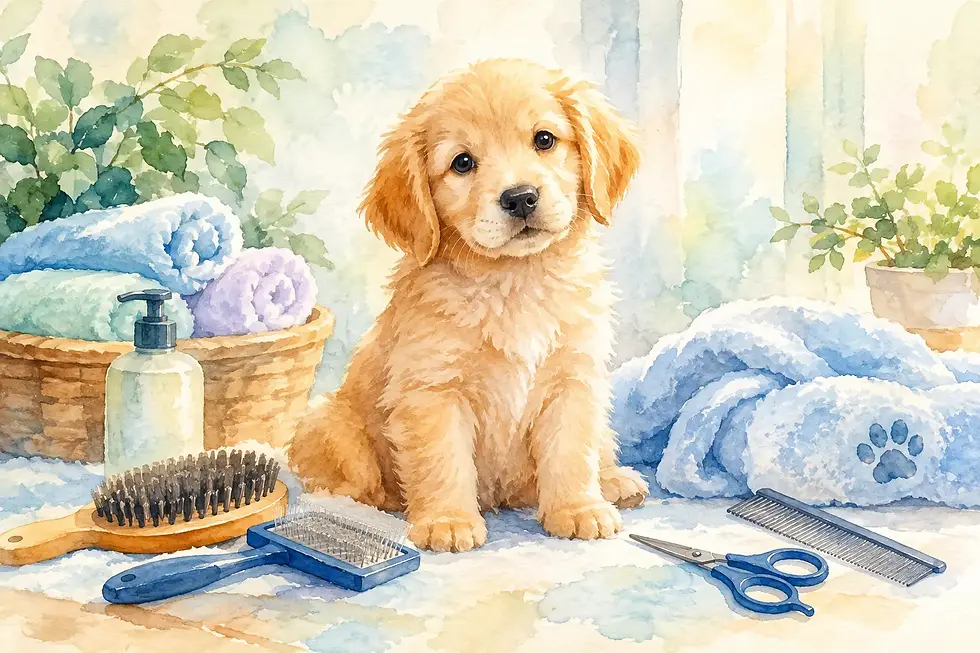
Age also plays a role. Puppies benefit from gentle, positive grooming introductions early on, even if they do not yet need a full haircut. Short, calm appointments teach them that brushing, bathing, drying, and nail handling are safe. Senior dogs may need more frequent comfort-focused care because they have trouble reaching certain areas, develop thicker nails, or find long appointments physically tiring.
The Grooming Tasks That Need Attention Between Full Grooms
A full groom is not the only kind of appointment that helps a dog feel their best. Some dogs need nail trims, face trims, sanitary trims, or bath and brush services between haircut appointments.
Nails are one of the clearest examples. Many dogs need a nail trim every 3 to 6 weeks, even if they are not due for a full groom. Long nails can affect traction and posture, make walking uncomfortable, and increase the risk of snagging. Sidewalk walks can wear nails down for some dogs, but dewclaws usually still need regular trimming because they do not touch the ground.
Brushing needs vary widely. A smooth-coated dog may only need a quick brush once or twice a week, while a curly-coated dog may need thorough brushing several times a week or daily. Focus on the places mats form first: behind the ears, under the collar or harness, in the armpits, around the tail, and along the legs.
Dental care, ear cleaning, and paw checks are also worth building into a routine. You do not need to turn every evening into a grooming session. A few calm minutes of handling can make a meaningful difference, particularly when your dog learns that care comes with patience and reassurance.
Signs Your Dog Needs Grooming Sooner
The calendar is useful, but your dog will often tell you when they need care before the appointment date arrives. Pay attention to changes in their comfort, coat texture, and movement.
You may want to schedule sooner if you notice:
Tangling or tight knots, especially near the ears, collar, legs, or tail
A strong coat odor that returns quickly after bathing
Nails clicking on hard floors or curling toward the paw pads
Hair blocking the eyes, collecting around the mouth, or causing irritation
Excessive shedding, packed undercoat, or frequent scratching
A dirty or irritated sanitary area after bathroom breaks
Mats deserve prompt attention. They can pull on the skin with every step, hide irritation, and trap moisture. Trying to cut mats out with household scissors can easily injure a moving dog, especially around delicate skin. A professional groomer can assess the safest, kindest approach. Sometimes that means a shorter reset haircut, followed by a manageable maintenance schedule.
Why a Low-Stress Grooming Setting Matters
Even a perfect grooming schedule is hard to maintain if your dog dreads the experience. Dogs who struggle with car rides, crowded salons, long waits, or unfamiliar noises may become more anxious each time they are groomed. That stress can make brushing, nail care, and future appointments more difficult.
A one-on-one, cage-free grooming experience can be especially helpful for anxious dogs, seniors, puppies, and dogs who simply prefer a quieter routine. Mobile grooming also removes the travel and waiting that can turn a basic care appointment into an all-day disruption for busy households.
At The Wag Works, each appointment is designed around calm handling, individualized attention, and a fully sanitized grooming space. That does not mean every dog loves every step immediately. It means their comfort is treated as part of the service, not an afterthought.
Build a Routine Your Dog Can Actually Keep
The ideal grooming frequency is one you can maintain before knots, overgrown nails, or skin discomfort become a problem. Start with your dog’s coat type, then adjust for lifestyle, season, and how quickly their hair and nails grow. If you are unsure, a groomer can help you set a realistic schedule that fits your dog rather than forcing them into a one-size-fits-all plan.
A calm, consistent routine gives your dog more than a fresh look. It gives them easier movement, healthier coat care, and the comfort of being handled with patience by people they can learn to trust.
Comments