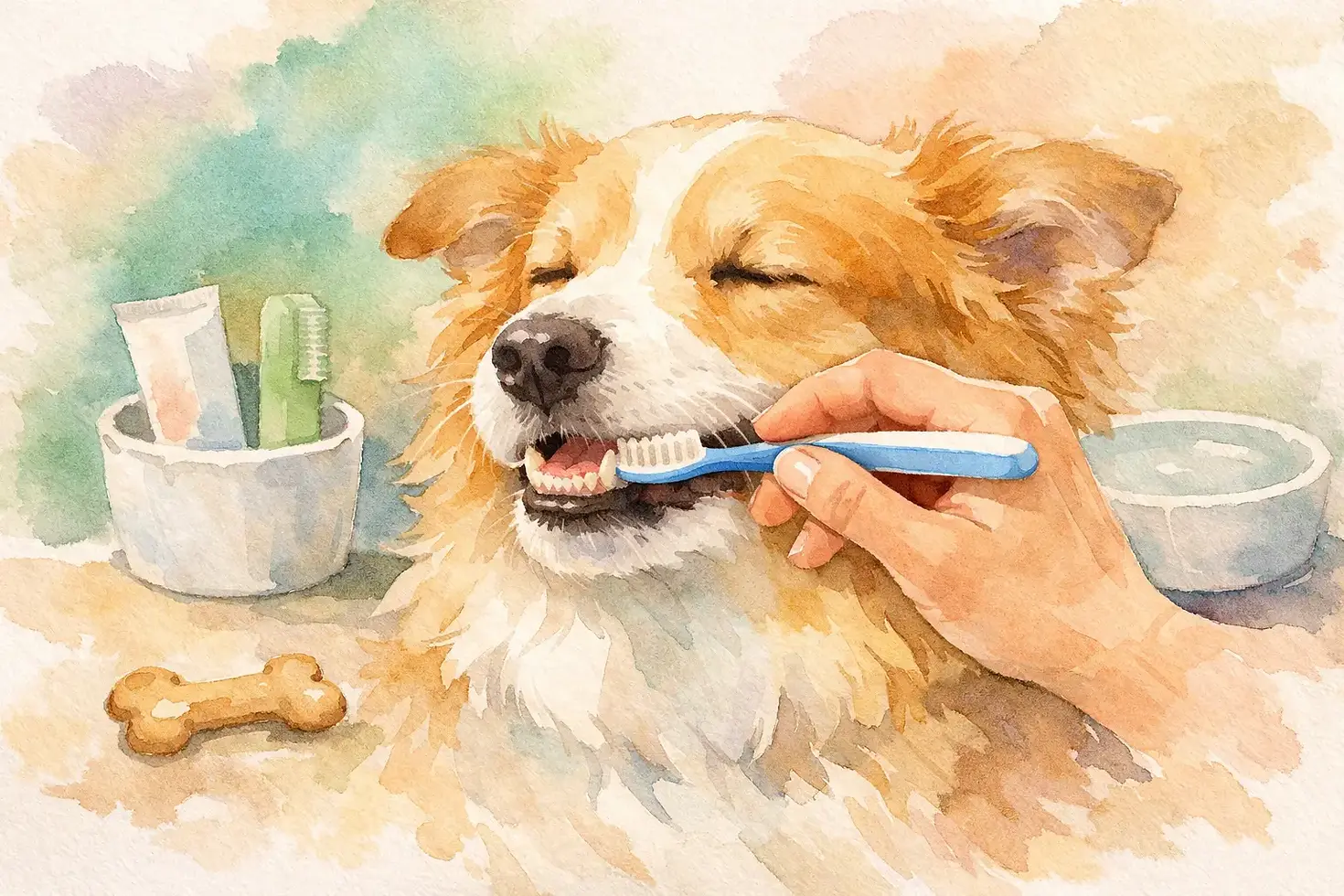
How to Brush Dog Teeth Safely and Gently
A healthy mouth is about more than fresher kisses. Dental buildup can make eating uncomfortable, contribute to bad breath, and lead to problems that deserve veterinary care. Learning how to brush dog teeth safely gives you a simple way to support your dog’s daily comfort without turning grooming time into a struggle.
The goal is not a picture-perfect brushing session on day one. It is helping your dog feel secure enough to accept gentle handling around the mouth. For dogs who are nervous, sensitive, or simply new to the process, patience matters far more than how long the toothbrush stays in their mouth.
Start with the right dental tools
Use toothpaste made specifically for dogs. Human toothpaste can contain ingredients, including xylitol and fluoride, that are unsafe for dogs to swallow. Dog toothpaste is designed to be swallowed in the small amounts used during brushing, and many come in dog-friendly flavors such as poultry or beef.
Choose a soft-bristled dog toothbrush sized for your dog’s mouth. A finger brush can be a helpful starting point for a small dog or a dog who is wary of a traditional brush, but it is not required. Some dogs accept a small, soft brush more easily because it keeps your fingers out of the way.
Avoid improvised tools, baking soda, mouthwash, and dental products not labeled for dogs. A clean, calm setup is safer than trying a trending home remedy. Keep a few small treats nearby, and brush in a quiet area where your dog has good footing and does not feel cornered.
How to brush dog teeth safely, step by step
Pick a time when your dog is relaxed, such as after a walk or during a quiet part of the evening. Trying to brush when your dog is excited, hungry, or already stressed makes the experience harder for everyone.
Let your dog investigate first
Begin by letting your dog sniff the toothbrush and taste a tiny dab of dog toothpaste from your finger. Praise calmly. Do this for a few short sessions before expecting any brushing at all. A dog who chooses to engage is more likely to stay comfortable as you build the routine.
Next, gently lift the lip for one or two seconds and touch a finger to the outside of a tooth. Reward, then stop. Work along the outer teeth over several sessions. You do not need to hold the mouth open, and you should never force your dog’s jaws apart.
Brush the outside surfaces gently
When your dog is comfortable with mouth handling, add the toothbrush. Lift the lip and hold the brush at roughly a 45-degree angle where the tooth meets the gumline. Use small, gentle circles or short strokes along the outer surfaces of the teeth.
Focus first on the canine teeth and back upper teeth. Plaque and tartar often collect there, and these areas are usually more accessible than the inside surfaces. Most dogs do not need you to brush the tongue-side surfaces of their teeth, since the tongue naturally helps clean them.
Use light pressure. Brushing should never cause your dog to pull away in pain, yelp, snap, or bleed. A good session may last only 10 to 30 seconds at first. End while your dog is still doing well, offer praise, and try again later rather than pushing for more.
Build up to a realistic routine
Daily brushing is the gold standard because plaque can begin hardening into tartar quickly. Still, consistency is more useful than an ambitious routine that your dog learns to dread. If daily brushing is not realistic yet, aim for several gentle sessions each week while you build trust.
Senior dogs, dogs with small mouths, and dogs with crowded teeth may need slower introductions. The same is true for dogs who have had painful dental experiences in the past. Their comfort sets the pace.
What not to do during tooth brushing
A calm approach protects both you and your dog. Do not pin your dog down, wrap them tightly just to finish the job, or continue after clear signs of fear. Lip licking, turning the head away, stiffening, growling, and showing the whites of the eyes are all reasons to pause.
Do not scrape tartar off with metal tools at home. Hardened tartar may look like a surface issue, but dental disease can extend below the gumline. Scraping can injure the gums, damage enamel, or leave sharp edges that collect more plaque.
Dental chews, toys, water additives, and special diets can be useful supports, depending on your dog’s needs. They do not replace brushing or professional veterinary dental care. Choose chews carefully, too. If you cannot make an indent in a chew with your fingernail, it may be hard enough to crack a tooth.
Know when brushing should wait
Tooth brushing is preventive care, not treatment for an existing dental problem. Stop and contact your veterinarian if you notice persistent bad breath, bleeding gums, swollen gums, loose or broken teeth, heavy yellow-brown tartar, facial swelling, drooling, pawing at the mouth, or a sudden reluctance to eat dry food.
Some dogs need a veterinary oral exam and professional dental cleaning before home brushing is comfortable or appropriate. This is especially common when there is visible tartar or gum inflammation. A professional cleaning under veterinary supervision addresses areas below the gumline that a toothbrush cannot reach.
If your dog has a medical condition, a history of biting when handled, or obvious mouth pain, ask your veterinarian for guidance before beginning. Safety includes respecting the signals your dog gives you.
Make dental care part of a low-stress grooming routine
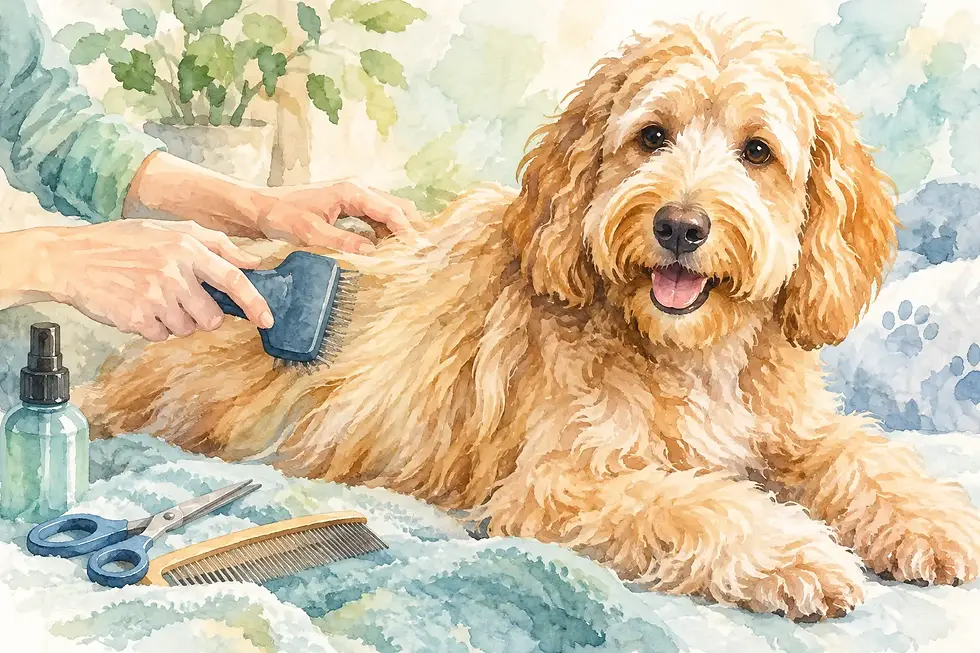
Brushing is easiest when it feels like a familiar part of gentle care, alongside coat brushing, ear checks, and nail maintenance. Keep sessions short, predictable, and positive. Use the same calm spot, the same cue phrase, and the same reward pattern so your dog knows what to expect.
For busy households, it can help to attach brushing to something that already happens daily, such as the evening routine. Keep the toothbrush and dog toothpaste somewhere easy to reach, but safely out of your dog’s access. Five calm minutes spread across a week can make a meaningful difference.
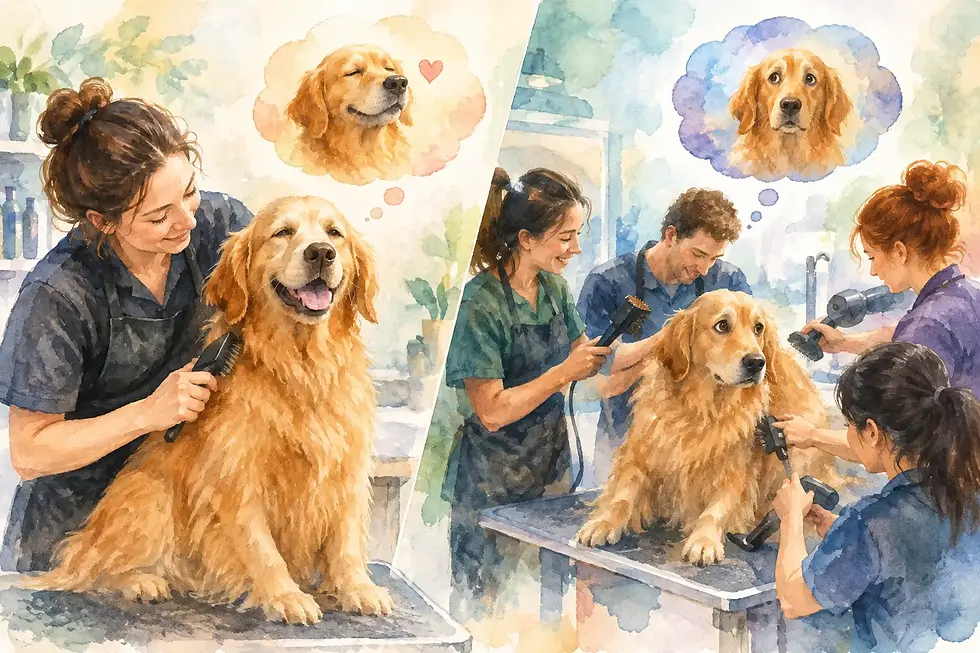
Professional grooming add-ons can also help reinforce your home routine. At The Wag Works, teeth brushing can be included as part of a calm, one-on-one grooming experience, giving dogs gentle care without the noise and waiting common in traditional salon settings. It is a helpful complement to regular home brushing and veterinary dental care, not a replacement for either.
Your dog does not need to love a toothbrush immediately. With soft hands, the right products, and permission to take it slowly, dental care can become one more quiet moment of trust between you and the dog who depends on you.

Comments