
Professional Dog Grooming vs DIY: What Fits?
A bath at home can feel like the practical choice until your dog is shaking water across the bathroom, resisting the dryer, or leaving behind a few stubborn mats you cannot safely brush out. The real question behind professional dog grooming vs DIY is not which option is better across the board. It is which level of care best keeps your individual dog clean, comfortable, and safe.
For many North Georgia pet families, a mix of both works beautifully. Regular brushing, simple wipe-downs, and quick paw checks at home help maintain a healthy coat between appointments. Professional grooming takes over when the job calls for trained hands, specialized tools, and a calm environment designed around your dog’s needs.
Professional Dog Grooming vs DIY: The Real Difference
At-home grooming is usually about maintenance. Professional grooming is about maintenance plus technique, coat health, skin awareness, safe handling, and a finished result that is difficult to recreate with a tub, a towel, and a pair of basic clippers.
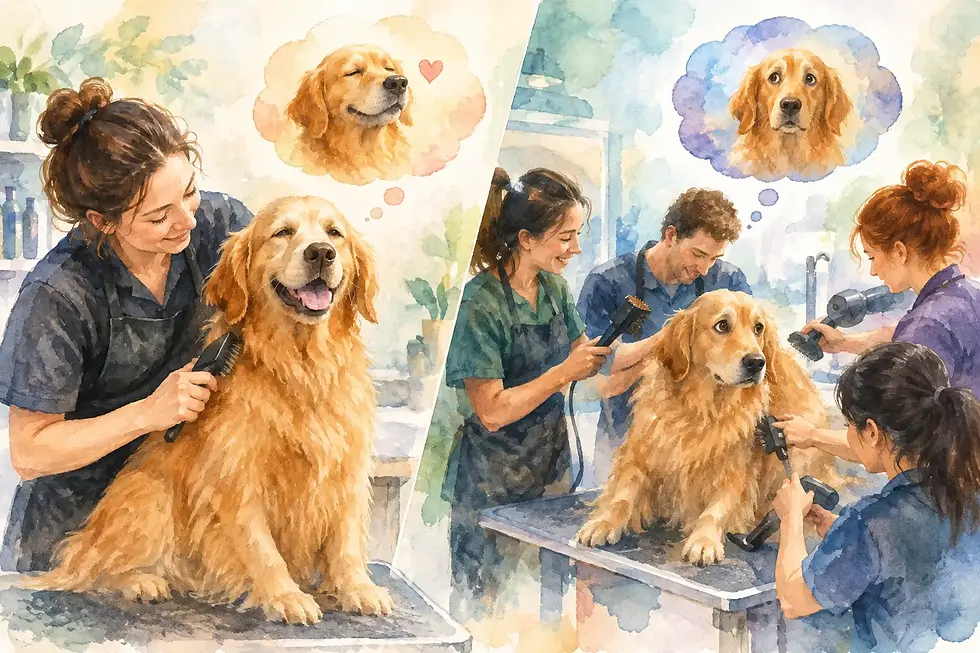
A professional groomer works with many coat types, temperaments, and grooming needs. They know how to dry a double coat thoroughly, brush out loose undercoat without irritating the skin, trim around sensitive areas, and recognize when a coat has become too tangled to brush safely. They also have the right equipment for the job, including grooming tables, high-velocity dryers, professional-grade shampoos, sanitary tools, and properly maintained clipper blades.
That does not mean every dog needs a full professional groom every few weeks. A short-coated dog with healthy skin may need little more than routine baths, brushing, nail attention, and an occasional professional deshed or tidy-up. A doodle, poodle, Shih Tzu, Yorkie, or other continuously growing coat often needs a more consistent professional schedule to stay comfortable and mat-free.
The deciding factor is rarely appearances alone. Comfort matters more than a perfectly styled finish.
When DIY Grooming Makes Sense
Home care can be a calm, bonding routine when your dog tolerates handling well and their coat is manageable. The goal is not to turn your kitchen or bathroom into a salon. It is to keep small grooming needs from becoming bigger problems before the next appointment.
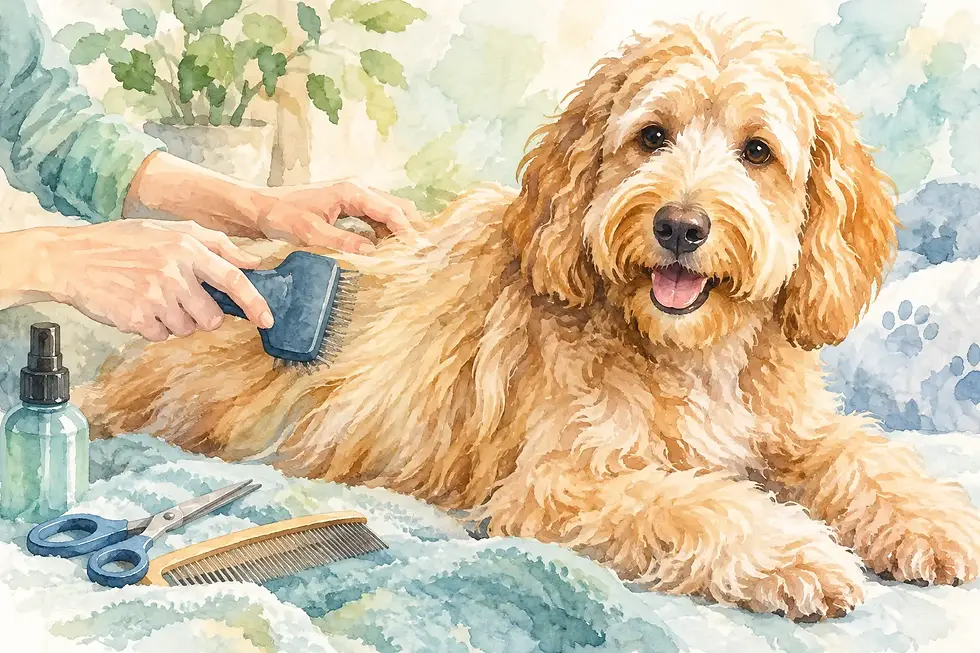
Brushing is the most valuable habit for many dogs, especially those with long, curly, or shedding coats. A few minutes several times a week can remove loose hair, distribute natural oils, and help you spot tangles early. For curly or dense coats, brushing all the way to the skin matters. Brushing only the top layer can leave hidden mats close to the body, where they pull and cause discomfort.
A gentle bath at home can also work well after a muddy walk, a lake day, or an especially enthusiastic roll in the yard. Use a dog-safe shampoo, rinse more thoroughly than you think you need to, and dry your dog completely. Damp fur can trap moisture against the skin, and a partially dried dense coat may develop odor, irritation, or mats.
Simple daily care is often best handled at home: wiping paws, checking ears, brushing teeth when your dog accepts it, and getting them comfortable with gentle touch around their feet and face. These small routines can make professional appointments easier, too.
The DIY Jobs That Can Become Risky
The line between helpful home grooming and a stressful experience can be thinner than it looks. Nail trimming, mat removal, ear cleaning, and clipper work around the face, feet, and sanitary areas require patience and precision. A dog that suddenly pulls away can turn a routine task into an injury risk for both pet and owner.
Nails are a common example. Trimming just a little at a time is usually safe when you can clearly see the quick and your dog stays relaxed. But dark nails, wiggly dogs, and overgrown nails make the process harder. Cutting the quick is painful and can make future nail trims more frightening. If nail care has become a wrestling match, asking a professional for help is often the kinder option.
Mats should never be pulled apart or cut out with household scissors. Mats can tighten close to the skin, hiding irritation, moisture, or even small wounds underneath. Trying to snip a mat can easily cut skin, particularly in areas where the skin is thin or folded. Severe matting may require a close shave, and while that can be disappointing for owners hoping to preserve a fluffy coat, relief and safety must come first.
Clippers deserve the same caution. Human clippers may not be suited to a dog’s coat and can snag or heat up quickly. Even pet clippers require proper blade care, coat preparation, and an understanding of how to move around delicate areas. A professional groomer is not just creating a neat trim. They are working to keep your dog still, secure, and comfortable throughout the process.
Your Dog’s Temperament Changes the Equation
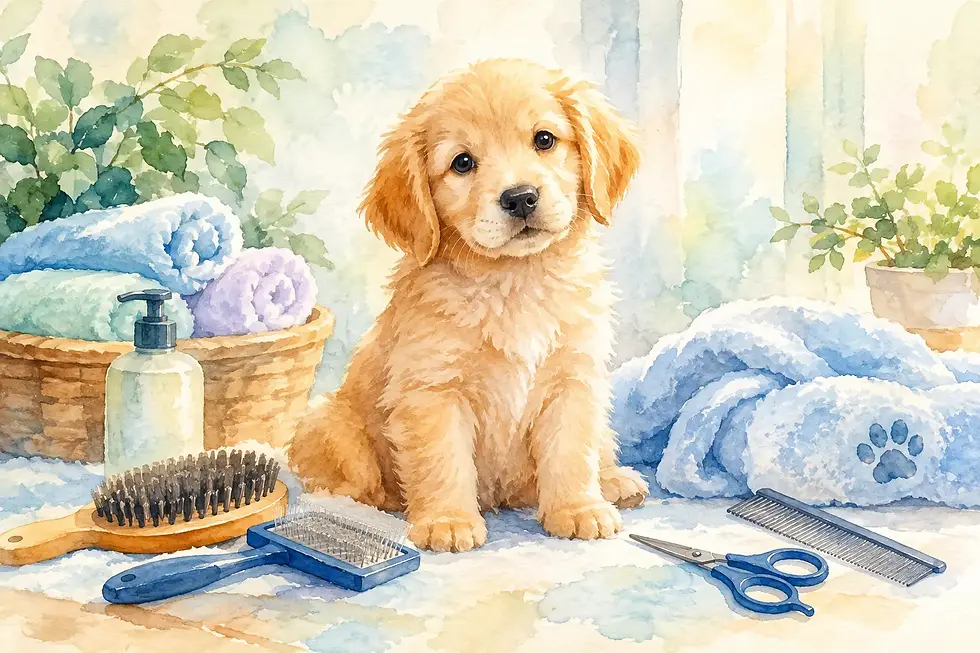
The best grooming plan for a confident, easygoing Labrador may not suit a nervous rescue, a senior dog with sore joints, or a puppy still learning that grooming is safe. Dogs communicate stress in quiet ways: lip licking, yawning, stiffening, turning away, trembling, panting, or repeatedly trying to escape.
If your dog is showing those signals at home, pushing through a long grooming session can make the next one harder. Short, positive handling practice is useful, but some dogs need a more controlled setting and an experienced professional who can work slowly and read their body language.
This is where one-on-one mobile grooming can be especially helpful. Instead of adding a car ride, a busy lobby, unfamiliar dogs, and a long wait to the day, your dog can receive individualized care right outside your home. The Wag Works provides a cage-free experience in a fully equipped, sanitized grooming space, helping many dogs avoid the overstimulation that can come with a traditional salon visit.
No approach removes every concern for every dog. Some pets need time to adjust to any new grooming environment. But reducing the number of transitions and distractions can make a meaningful difference for dogs who are anxious, reactive, elderly, or simply happiest close to home.
Coat Type and Lifestyle Matter More Than Breed Labels
Breed can offer clues about grooming needs, but coat type and daily life tell the fuller story. A hiking dog who runs through trails and creeks may need more frequent bathing and paw checks than a dog with the same coat who spends most days indoors. A curly-coated dog can mat even when they look brushed on the surface. A heavy shedder may benefit from a professional deshedding service during seasonal coat changes.
Consider how quickly your dog gets dirty, how much they shed, whether their hair grows continuously, and how they respond to brushing and bathing. Also pay attention to odor, scratching, dandruff, ear debris, and changes in the skin or coat. Groomers are not veterinarians, but regular professional care can help owners notice concerns early and decide when a veterinary conversation is needed.
A practical routine might include home brushing throughout the week, prompt cleanup after outdoor adventures, and scheduled professional services for bathing, drying, nail care, deshedding, coat trimming, or specialty needs such as teeth brushing and deep conditioning. The right timing is personal. Your dog’s coat, activity level, and comfort should lead the schedule.
What You Are Paying for With Professional Care
Professional grooming costs more than a bottle of shampoo, and it should be evaluated honestly. You are paying for skill, equipment, time, sanitation, handling experience, and a groomer’s ability to complete care safely and efficiently. With mobile service, you are also paying for convenience: no loading your dog into the car, no driving across town, and no rearranging your day around a salon drop-off and pickup window.
For busy families, that time savings has real value. For a dog who dreads car rides or crowded settings, the value may be even greater. A calm grooming experience can protect the trust your dog has in handling and personal care, which is not something to take lightly.
DIY care still has a place. It can stretch the time between appointments, keep your dog comfortable, and help you stay connected to changes in their coat and skin. Think of it as supportive care rather than a replacement for every professional service.
The best choice is the one that leaves your dog clean, comfortable, and willing to be cared for again. If a task feels beyond your tools, your dog’s patience, or your confidence, choosing professional help is not giving up. It is a thoughtful way to put your best friend’s comfort first.
Comments