
Seasonal Shedding Care for a Calmer Home
That tumbleweed of fur rolling across the kitchen floor is not always a sign that something is wrong. For many dogs, it is simply the changing season at work. Seasonal shedding care is about helping your dog release that coat comfortably while keeping your home, furniture, and grooming routine more manageable.
A little extra fur is expected when temperatures and daylight shift. A lot of loose undercoat, itchy skin, mats, or sudden bald patches deserves a closer look. The goal is not to stop normal shedding - it is to support healthy skin and coat with gentle, consistent care.
Why Dogs Shed More in Spring and Fall
Many dogs grow a thicker coat as cooler weather approaches, then shed it when days become warmer. In North Georgia, the weather can change quickly enough that dogs seem to shed in waves rather than following a neat calendar. Indoor lighting, central heating, age, hormones, and breed can all affect the timing too.
Double-coated breeds often make the biggest impression. Huskies, German Shepherds, Golden Retrievers, Australian Shepherds, Great Pyrenees, and many mixed-breed dogs can release an impressive amount of soft undercoat during seasonal changes. Short-haired dogs shed as well, though their fur may be less visible until it is stuck to every dark shirt in the house.
Shedding is also individual. One dog may lightly shed for several weeks, while another drops coat heavily over a few days. That is why a routine built around your dog's coat type and comfort works better than a one-size-fits-all schedule.
Seasonal Shedding Care Starts With the Right Brush
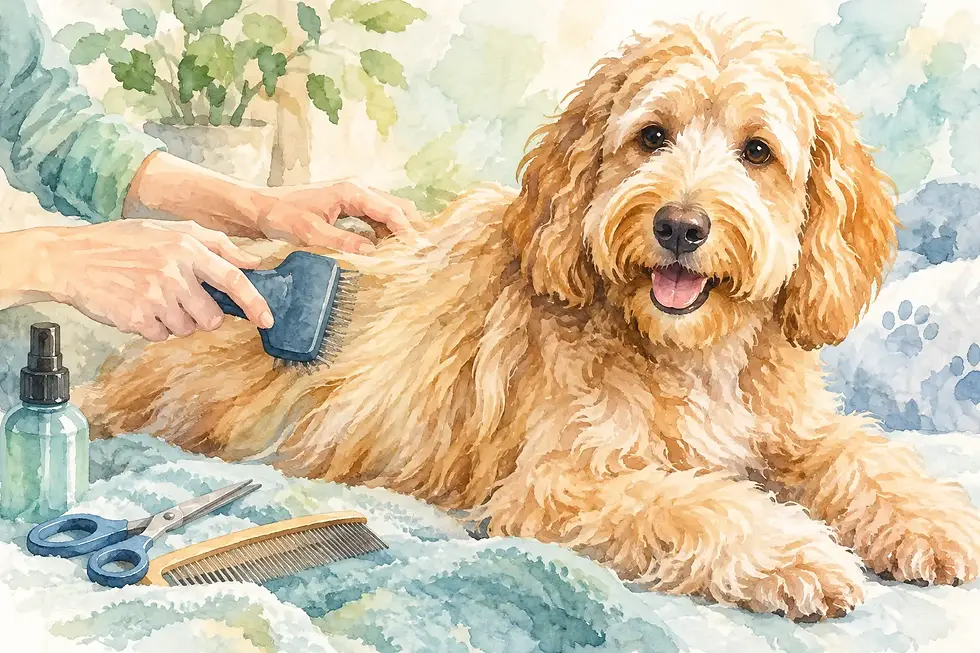
Brushing is the most useful at-home step because it removes loose hair before it lands on the floor, collects in mats, or gets packed beneath the healthy topcoat. It also gives you a chance to check for dry skin, ticks, tender spots, and changes you might otherwise miss.
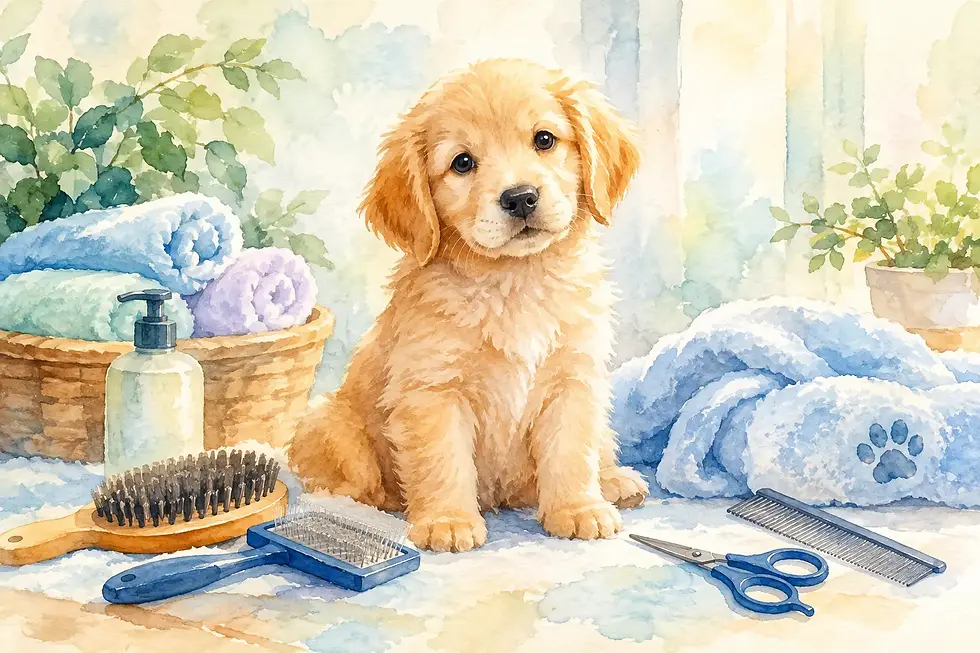
The best tool depends on the coat. A slicker brush can help work through loose hair and light tangles on many medium- and long-coated dogs. An undercoat rake may be helpful for thick double coats when used carefully and only as needed. A rubber curry brush often works beautifully for short-coated dogs, lifting loose hair while providing a gentle massage. A metal comb is especially useful for checking areas that mat easily, including behind the ears, under the collar, in the armpits, and around the tail.
Use light pressure and short, calm sessions. Brushing should not feel like a chore your dog has to endure. For a dog that is new to grooming or easily overwhelmed, begin with a few minutes in a quiet space, offer praise, and stop before frustration builds. Consistency matters more than turning one session into an hour-long event.
During a heavy shed, many dogs benefit from brushing several times a week. Dogs with short coats or lighter shedding may only need a quick session once or twice weekly. If your brush is constantly filling with coat, that is a good sign it is time to increase frequency, not pressure.
Avoid Over-Brushing and Coat Damage
More brushing is not always better. Aggressive tools, repeated passes over the same area, or hard pulling can irritate the skin and break healthy guard hairs. This is especially true for double-coated dogs. Their outer coat helps protect them from sun, heat, moisture, and dirt, so it should be respected rather than stripped away.
For the same reason, shaving a double-coated dog just to reduce shedding is usually not the answer. A shorter coat may look cooler, but it does not change the shedding cycle and can alter how the coat grows back. There are medical and comfort-based exceptions, of course, so speak with your veterinarian and groomer about what is right for your individual dog.
A Clean Coat Sheds More Easily
A proper bath can make a noticeable difference during shedding season. Warm water, dog-safe shampoo, and thorough rinsing help loosen dead coat, lift dirt and dander, and leave the skin in a better condition for brushing. The key word is thorough. Shampoo left behind can cause irritation, while a coat that is not fully dried can trap moisture against the skin or encourage tangles.
Bathing too often can dry some dogs out, particularly if the shampoo is harsh or the skin is already sensitive. Your dog's lifestyle, coat type, skin condition, and activity level all matter. A dog that spends weekends hiking through muddy trails has different needs than a senior pup who mostly naps on the sofa.
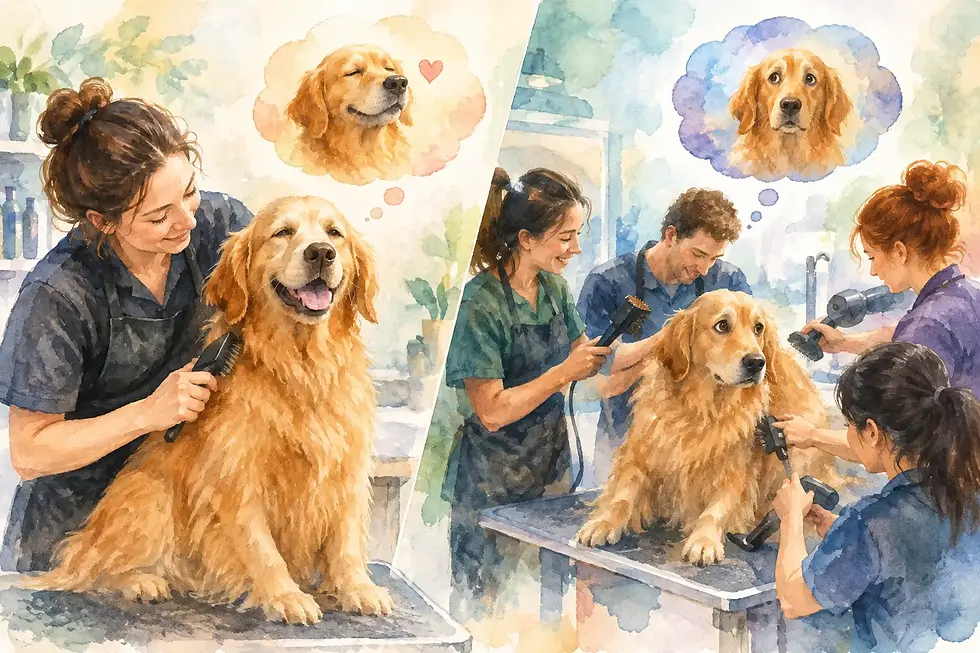
A professional deshedding service can be especially helpful when the undercoat is packed in and brushing at home is no longer making a dent. This type of care is not a quick blast of air and a few brush strokes. It involves the right bathing products, careful drying, coat-specific brushing, and patient handling so loose fur can be removed without rough treatment.
For dogs who dislike car rides, crowded salons, or being around unfamiliar dogs, a private mobile grooming appointment can make that process much easier. The Wag Works provides one-on-one, cage-free grooming in a fully sanitized setting right at your doorstep, helping dogs stay calmer while receiving individualized coat care.
Support the Coat From the Inside, Too
A shiny coat starts with overall health. Fresh water, a balanced diet, and routine veterinary care all support skin and coat quality. If you are considering supplements such as fish oil, ask your veterinarian first. What helps one dog may not be appropriate for another, especially if they have allergies, digestive sensitivities, or take medication.
Dry indoor air can contribute to flaky skin, while outdoor allergens may cause itching that looks like ordinary shedding at first. Keep an eye on how your dog is acting. A comfortable dog may shed plenty, but they should not be relentlessly scratching, chewing their paws, or developing hot spots.
When Shedding Is More Than Seasonal
Normal shedding should leave your dog with a healthy-looking coat underneath. Call your veterinarian if you notice bald patches, a strong odor, redness, scabs, greasy skin, sores, major dandruff, or a sudden change in shedding volume. Excessive hair loss can be connected to parasites, allergies, skin infections, stress, nutritional issues, or underlying health conditions.
It is also worth getting help if mats are forming close to the skin. Mats pull every time your dog moves and can hide irritation beneath them. Trying to cut them out with household scissors can easily lead to an injury, especially around thin skin or joints. A professional groomer can assess the coat and choose the safest, kindest path forward.
Make the Season Easier on Your Home and Dog
A few small habits can keep shedding season from taking over the house. Brush your dog in one easy-to-clean location, such as a porch, garage, or towel-covered floor. Keep a lint roller near the entryway, vacuum high-traffic areas more often, and wash pet bedding regularly so loose hair and dander do not keep circulating.
Most of all, pay attention to your dog's signals. Some dogs enjoy brushing right after a walk, while others settle best during a quiet evening at home. Some need frequent five-minute sessions; others are happy with a longer weekly groom. Gentle routines build trust, and trust makes coat care easier for everyone.
When the fur starts gathering in the corners, take it as a cue to slow down, brush with care, and give your dog a little extra comfort. A clean, comfortable coat is one more way to help your best friend feel at home - no matter what the season brings.
Comments