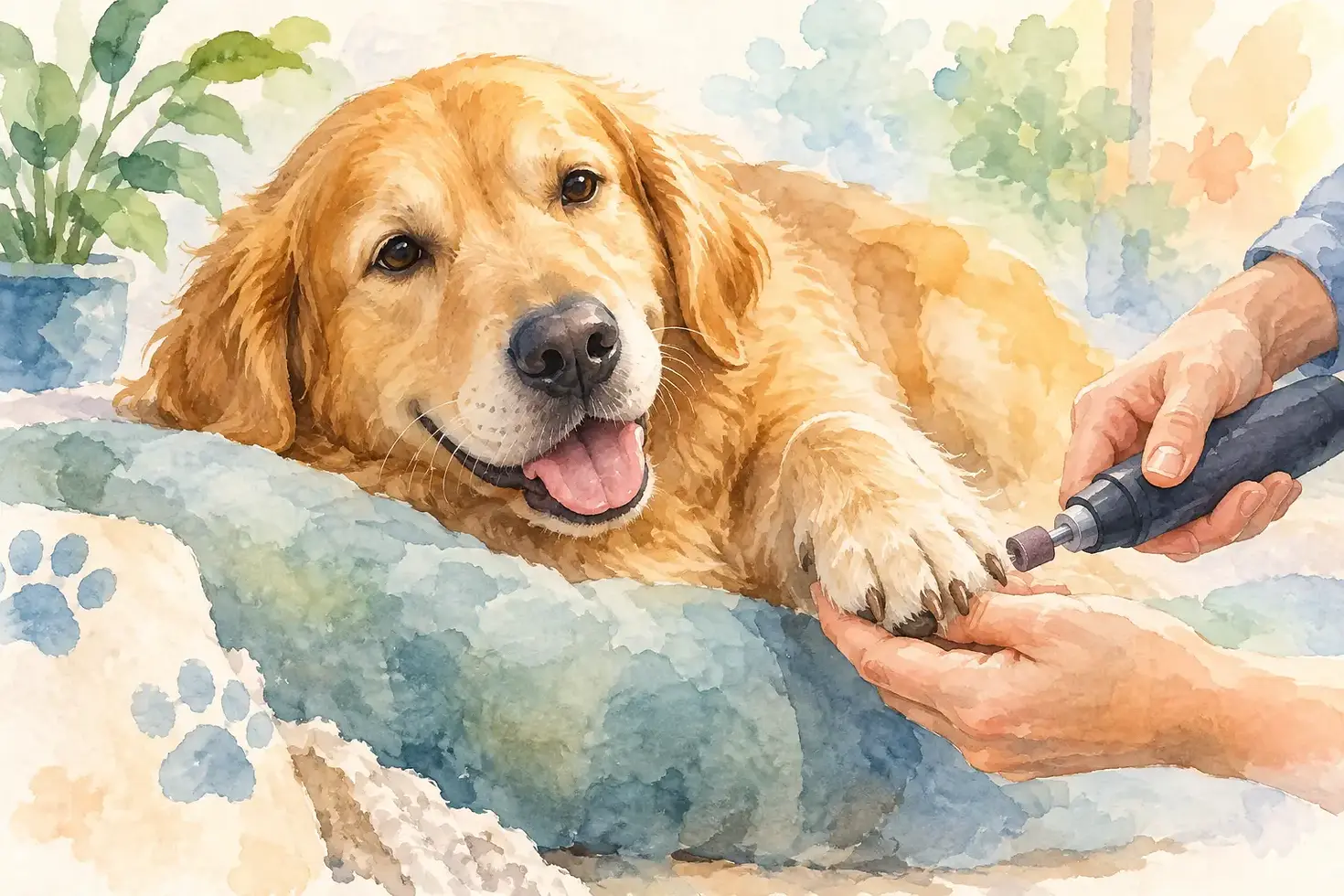
When Should Dogs Get Nail Grinding and Why?
That familiar click-click-click across the kitchen floor is more than a household sound effect. It can be a sign that your dog's nails are getting too long. If you are wondering when should dogs get nail grinding, the best answer is usually before long nails begin changing how your dog stands, walks, or feels.
Nail care is a small part of grooming with a big effect on everyday comfort. Overgrown nails can snag on rugs, scratch hardwood floors, make traction harder, and put extra pressure on the toes and joints. A calm, regular nail-grinding routine helps keep paws comfortable without turning each appointment into a stressful ordeal.
How Often Should Dogs Get Nail Grinding?
Most dogs benefit from nail grinding every three to six weeks. The right schedule depends on how quickly their nails grow, the surfaces they walk on, their activity level, and the shape of their paws.
Dogs who take long walks on sidewalks or other hard surfaces may naturally wear down some nail length. Even then, the dewclaws - the nails higher on the inside of the leg - do not touch the ground and often need attention first. Dogs who spend more time indoors, on grass, or playing in a soft backyard commonly need more frequent trims.
A good rule is to check your dog's nails every couple of weeks. You do not have to wait for a full grooming appointment to notice whether they are approaching the floor. Regular, small adjustments are generally easier on your dog than removing a lot of length all at once.
Signs Your Dog's Nails Are Too Long
Your dog's nails do not need to be dramatically curled to become uncomfortable. Watch for subtle changes, especially if your dog is older, less active, or has a history of paw sensitivity.
The most obvious sign is hearing nails tap on hard flooring while your dog is standing or walking normally. You may also notice nails catching on blankets or carpet, a paw that turns slightly outward, or your dog shifting weight back from the front feet. Some dogs begin licking their paws more often or resist having their feet handled because long nails have made the area tender.
Look at your dog from the side while they are standing on a flat surface. Ideally, the nails should sit close to the ground without pressing into it or forcing the toes upward. Front nails often grow faster than back nails, so do not assume all four paws need the same amount of work.
Do Not Forget the Dewclaws
Dewclaws deserve their own quick check. Since they do not wear down naturally, they can curl in a circle as they grow. In severe cases, they may press into the skin. Keeping them short is one of the simplest ways to prevent a painful, avoidable problem.
Why Grinding Can Be a Gentle Choice
Nail trimming and nail grinding both have a place in professional grooming. A clipper removes length quickly, while a grinder gradually smooths and shortens the nail with a rotating file. For many dogs, grinding is especially helpful because it leaves a rounded edge that is less likely to snag or feel sharp against floors and furniture.
Grinding can also allow a groomer to take off very small amounts at a time. That matters for dogs with long nails, because the quick - the living tissue inside the nail - may have extended farther out than expected. Removing a little length consistently gives the quick time to recede, making it possible to reach a healthier nail length over several appointments.
There are trade-offs. Some dogs dislike the sound, vibration, or sensation of a grinder, particularly during their first few experiences. Others find clippers more startling. The best method is the one your dog can tolerate calmly and safely, with patient handling and breaks when needed.
What Happens When Nails Stay Too Long?
A long nail changes where your dog's foot meets the ground. Instead of placing weight naturally through the paw, your dog may shift their stance to avoid pressure on the nail. Over time, that can affect balance and put strain on the toes, wrists, shoulders, and other joints.
Long nails also make slipping more likely on smooth floors. For senior dogs, large dogs, and dogs managing mobility concerns, that extra loss of traction can be particularly frustrating. Puppies and active adult dogs can snag a long nail during play, which may lead to a painful tear.
If a nail is cracked, bleeding, growing into the pad, or causing your dog to limp, skip the at-home trial and contact your veterinarian promptly. Grooming supports routine maintenance, but pain, injury, and infection need veterinary attention.
Making Nail Grinding Easier for Nervous Dogs
Dogs do not have to love nail grinding on day one. The goal is to make it predictable, brief, and as low-stress as possible. A dog who is anxious about paw handling may need a slower introduction, especially if previous nail care felt rushed or painful.
At home, start by casually touching your dog's shoulder, leg, and paw during relaxed moments, then reward calm behavior. Let them see and hear the grinder from a comfortable distance before bringing it near a nail. A few seconds of positive practice can be more productive than insisting on finishing every paw in one sitting.
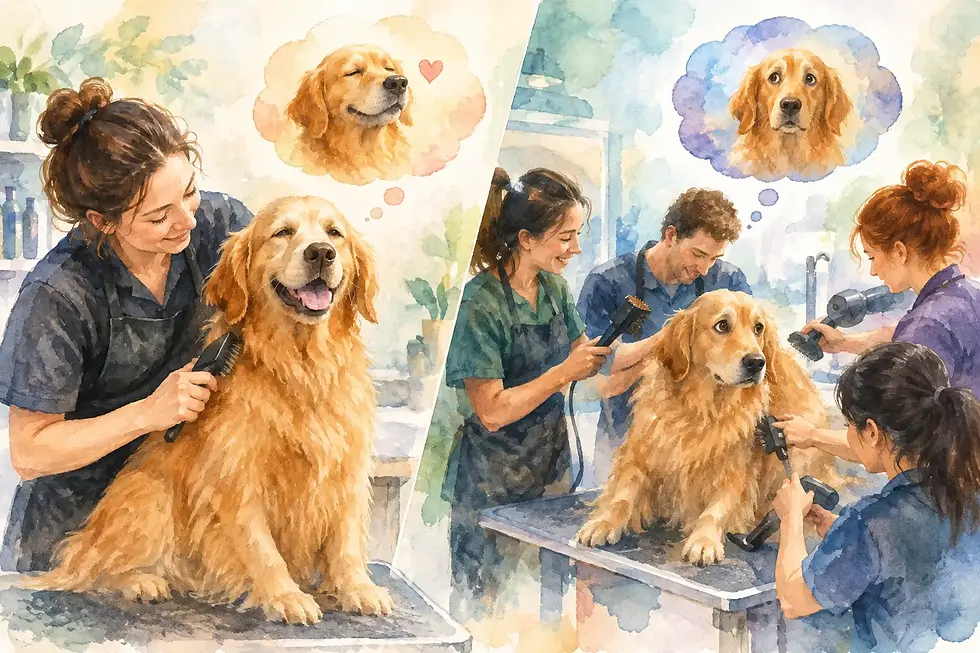
Professional handling makes a difference here. A calm, one-on-one environment gives a groomer room to read your dog's body language, work in shorter intervals, and avoid the noise and activity of a crowded salon. For dogs who struggle with car rides, unfamiliar spaces, or other pets nearby, mobile grooming can remove several common sources of stress before nail care even begins.
Puppies, Seniors, and Dogs With Dark Nails
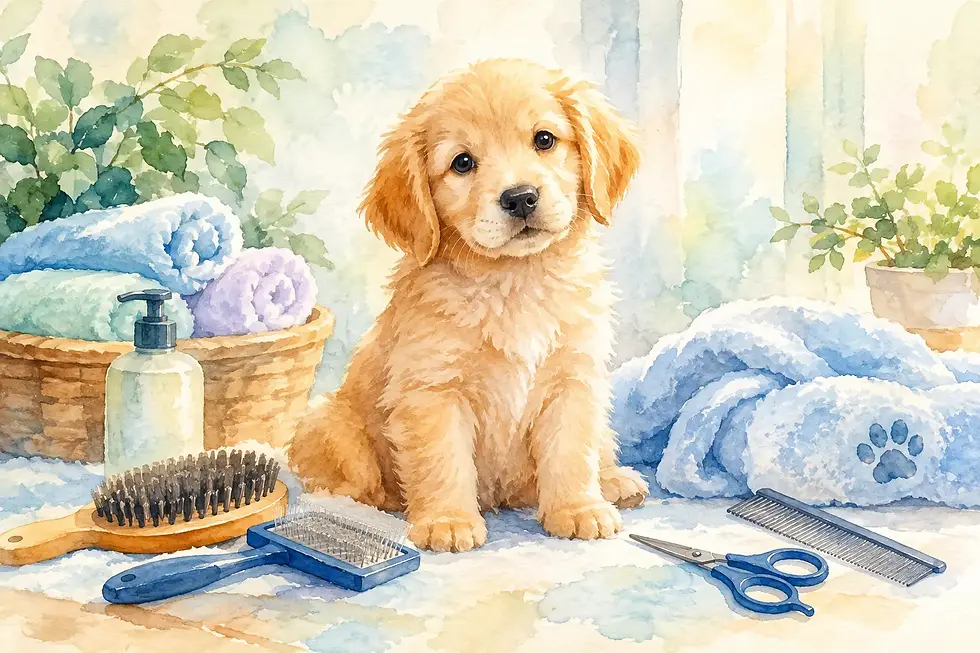
Puppies benefit from early, gentle nail-care practice, even when their nails do not need much length removed. Positive exposure teaches them that having their paws held is a normal part of being cared for. That foundation can make future grooming appointments much easier.
Senior dogs may need more frequent checks because reduced activity often means less natural wear. Their feet can also become more sensitive, so a careful pace and secure footing matter. If your senior dog has arthritis or has trouble standing, let the groomer know before the appointment so nail care can be adjusted for comfort.
Dark nails require extra caution because the quick is harder to see. This does not mean they cannot be ground safely. It means the groomer should work gradually, checking the nail frequently rather than taking off a large amount at once. Light-colored nails offer more visual guidance, but every dog's nails should be approached with the same steady care.
A Better Routine Than Waiting for the Click
Waiting until your dog is sliding on the floor or catching nails on the rug makes nail care feel urgent. A recurring schedule is kinder, easier, and usually more comfortable for everyone involved. Many dogs do well with nail grinding added to their regular grooming rhythm, while faster-growing nails may need a quick maintenance visit between full appointments.
At The Wag Works, individualized, cage-free care means your dog's comfort stays part of the process from start to finish. Whether your dog is confident about paw handling or needs extra reassurance, consistent nail care can help them move through each day with steadier steps and a little more ease.
The next time you hear that click on the floor, treat it as a friendly reminder to check those paws. A few calm minutes of regular care can help protect the comfort behind every wagging tail.
Comments