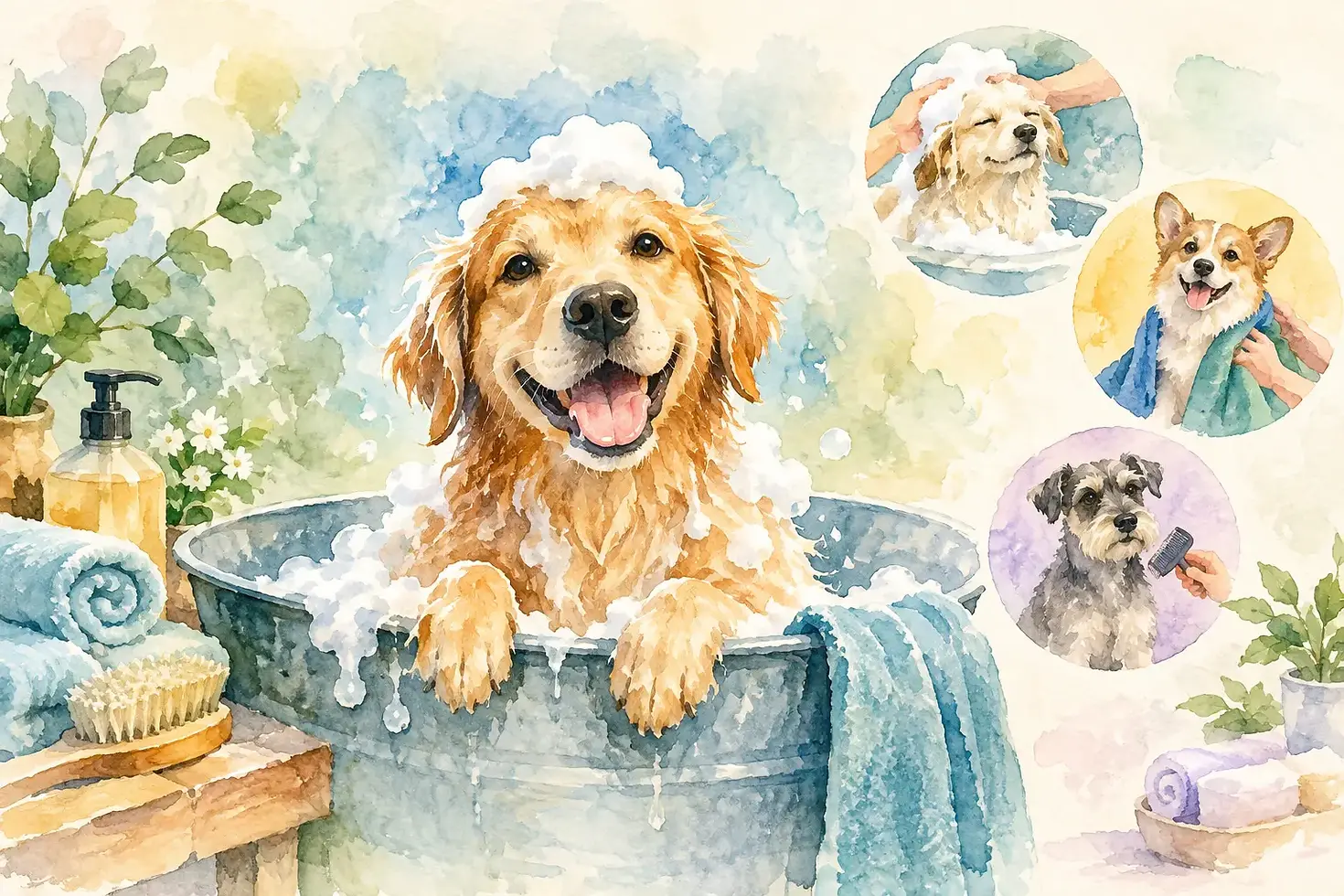
How Dog Bath Packages Differ for Your Dog
A bath appointment should leave your dog clean, comfortable, and feeling like themselves again - but not every package is built for the same purpose. Understanding how dog bath packages differ helps you choose care that fits your dog's coat, skin, lifestyle, and comfort level instead of paying for services they may not need.
A muddy Lab who loves the creek has different needs than a senior Shih Tzu with sensitive skin. A double-coated Husky shedding through spring needs more than a quick shampoo, while a short-haired dog between full grooming appointments may simply need a fresh, tidy reset. The right package starts with your dog, not a one-size-fits-all checklist.
How Dog Bath Packages Differ
Most bath packages fall somewhere between a basic maintenance bath and a more complete, customized grooming experience. The difference is usually found in the products used, the amount of coat work included, the time set aside for drying and brushing, and whether targeted treatments are added for concerns like shedding, dry skin, odor, or parasites.
A simple bath package generally focuses on cleanliness. It may include a bath with shampoo, a blow-dry or towel-dry, brushing, ear cleaning, and nail trimming. This is often a good fit for dogs with short, easy-care coats or dogs who have recently had a full groom and just need to stay fresh in between.
A luxury or premium bath package typically goes further. It may include a higher-quality shampoo selected for the dog's coat or skin needs, conditioning, more thorough brushing, careful drying, nail care, ear cleaning, and finishing touches. Depending on the groomer, it may also include a face, feet, and sanitary trim to keep the areas that get messy most often neat and manageable.
The name of a package matters less than the details behind it. Before choosing, ask what is included in the bath, how long the appointment allows for brushing and drying, and whether the service is tailored to your dog's individual needs.
The Coat Work Is Often the Biggest Difference
A clean coat is not always a fully cared-for coat. This is especially true for dogs with thick undercoats, long hair, curly hair, or coats that hold onto dirt and loose fur. Brushing before and after the bath can make a major difference in comfort, shedding, and the finished look.
For a light-shedding, short-haired dog, a standard brush-out may be all that is needed. For a Golden Retriever, German Shepherd, Husky, or similar double-coated breed, a deshedding treatment can be a much better use of appointment time. These treatments are designed to remove loose undercoat safely with appropriate tools, bathing products, drying techniques, and thorough brushing.
Deshedding is not the same as shaving. In fact, shaving many double-coated dogs can interfere with the coat's natural function and may create a difficult regrowth process. A thoughtful bath package supports the coat your dog has, rather than treating every breed the same way.
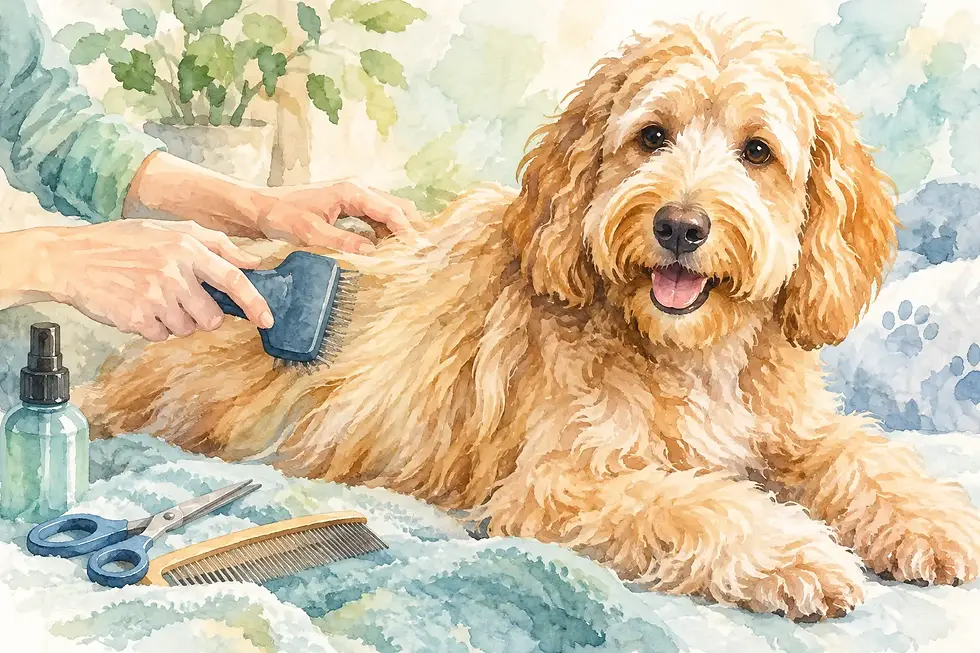
Long-coated and curly-coated dogs need another kind of attention. If mats have started forming, a bath alone will not solve the issue. Water can tighten mats, making them more difficult and uncomfortable to remove. A professional should assess the coat before promising a particular outcome, because the kindest option may depend on the severity and location of tangles.
Skin, Odor, and Seasonal Needs Can Change the Best Choice
The shampoo in a bath package is not just a nice scent. It can affect your dog's skin and coat, which is why a quality groomer will consider sensitivities, dryness, allergies, and current skin conditions. A deep-conditioning treatment may help a dry or brittle coat feel softer, while a gentle, appropriate shampoo can be a better choice for dogs with sensitive skin.
Dogs with ongoing itching, redness, hair loss, sores, or a strong recurring odor should be seen by a veterinarian. Grooming can support a healthy maintenance routine, but it should not replace medical care. If your veterinarian has recommended a particular medicated product, let your groomer know before the appointment so the service can be planned safely.
Flea and tick treatments are another example of why packages differ. These services can be useful when they are needed, but they are not necessarily an every-bath add-on. Your dog's age, health, current preventatives, and exposure risk all matter. A clear conversation is always better than adding a treatment by default.
Season also plays a role. Heavy shedding seasons often call for extra brushing and deshedding. Rainy months may mean more frequent maintenance baths for dogs who enjoy the backyard. During dry winter weather, conditioning can be especially helpful for some coats. The best routine can shift throughout the year.
Add-Ons Should Solve a Real Need
Add-on services make bath packages more flexible, but they are most valuable when they address something specific. Teeth brushing can help freshen breath and support regular home dental care, though it does not replace veterinary dental treatment. Nail trimming can prevent the clicking, snagging, and discomfort that comes with overgrown nails.
Face, feet, and sanitary trims are practical options for dogs who collect food around their muzzle, track in mud, or need extra help staying clean after potty breaks. A paw treatment or deep conditioner may suit a dog with dry paws or a coat that needs extra moisture. These small services can make everyday care at home easier.
The goal is not to build the largest package possible. It is to create the right appointment for your dog. A groomer who asks about your dog's routine, coat type, sensitivities, and behavior is better positioned to recommend care with purpose.
The Environment Is Part of the Package, Too
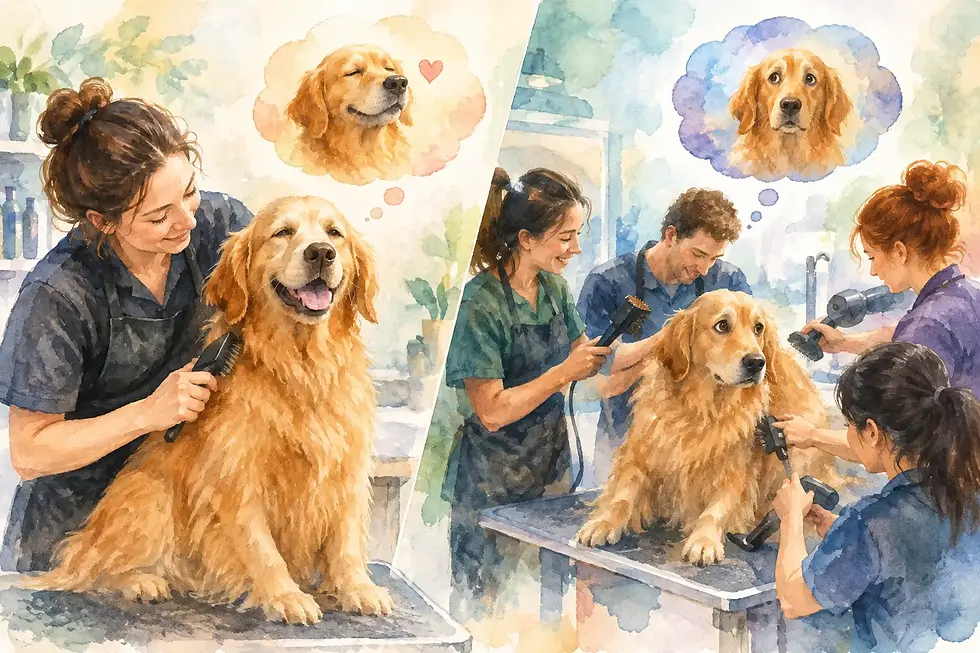
Two bath packages with similar service lists can feel very different to a dog. For anxious dogs, senior dogs, puppies, and dogs who dislike car rides, the grooming environment may matter as much as the shampoo or brush-out.
Traditional salon grooming can involve transportation, waiting, unfamiliar sounds, other dogs, and time in a kennel. Some dogs handle that well. Others become overstimulated before the bath even begins. A mobile, one-on-one grooming experience can reduce many of those stressors by bringing professional care to your doorstep in a fully equipped, sanitized space.
At The Wag Works, each appointment is designed around calm, cage-free, individualized attention. That can be especially meaningful for dogs who need a quieter setting, as well as busy owners who would rather skip the drop-off, pickup, and salon wait.
That said, mobile grooming is not automatically the best answer for every dog. Dogs with serious medical concerns, severe behavioral challenges, or advanced coat neglect may need a different setting or a veterinarian's guidance. Honest recommendations are part of responsible pet-first care.
Choosing the Right Bath Frequency
More baths are not always better. Bathing too often with unsuitable products can dry some dogs' skin, while waiting too long can leave others uncomfortable, oily, or packed with loose coat. Frequency depends on breed, coat type, activity level, skin health, and what happens between appointments.
An active short-haired dog may benefit from regular maintenance baths, especially if they spend plenty of time outdoors. A long-haired dog may need more frequent brushing and professional maintenance to avoid tangles. Dogs with skin concerns should follow a routine recommended by their veterinarian and grooming professional.
Between appointments, a little home care goes a long way. Wiping paws after walks, brushing as appropriate for your dog's coat, checking ears, and keeping up with dental care can help your dog stay comfortable. It also allows the groomer to spend appointment time on the care that makes the greatest difference.
The best bath package is the one that leaves your dog clean without rushing their comfort, supports the needs of their particular coat, and fits naturally into your family's routine. When your dog steps out feeling fresh, calm, and ready to wag, that is care worth repeating.
Comments