
When Should Puppies Get Groomed? A Gentle Timeline
A puppy’s first grooming experience can shape how they feel about brushing, baths, nail trims, and professional care for years to come. If you are wondering when should puppies get groomed, the short answer is: start gentle grooming habits right away, then plan a brief professional introduction once your puppy is healthy enough and ready to handle it calmly.
The goal is not a perfect haircut on day one. It is helping your new dog learn that being touched, brushed, dried, and cared for can be safe, predictable, and even pleasant. A patient start matters just as much as the grooming itself.
When Should Puppies Get Groomed for the First Time?
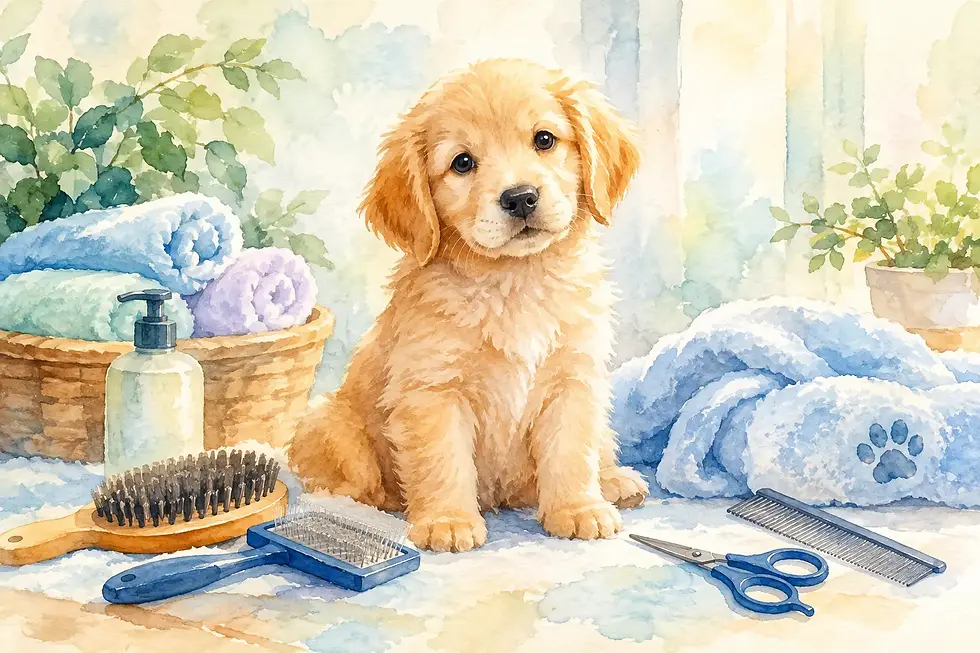
Most puppies can begin simple at-home grooming from the day they come home, often around 8 weeks old. This includes soft brushing, touching their paws, lifting their ears, gently handling their face, and checking their coat after outdoor adventures. Keep these moments short and pair them with praise, a tiny treat, or a favorite toy.
For a first professional puppy grooming visit, many dogs do well between 12 and 16 weeks old. That timing gives them a chance to settle into their new home and begin their vaccination schedule. However, each puppy is different. Your veterinarian is the best person to advise you on when your puppy can safely receive grooming services based on their age, vaccine status, overall health, and local disease risks.
A young puppy does not always need a full haircut. In fact, a short introductory appointment is often the better choice. A groomer can gently brush the coat, trim the nails, clean around the eyes, perform a light sanitary tidy if needed, and introduce the sounds and sensations of a bath and dryer without overwhelming your puppy.
Why Early, Positive Grooming Matters
Puppies go through a key learning period early in life. New experiences can build confidence when they are introduced gradually and without pressure. Waiting until a puppy is heavily matted, overdue for nail trims, or frightened by handling can make their first grooming appointment much harder than it needs to be.
Regular, low-pressure grooming teaches useful life skills. Your puppy learns that someone may hold a paw, look at their ears, brush their belly, or stand quietly on a stable surface. Those skills support grooming, but they can also make routine veterinary exams and at-home care less stressful.
The setting makes a difference, too. Puppies that are sensitive to car rides, unfamiliar dogs, or busy salon noise may benefit from a quieter, one-on-one experience. A cage-free mobile grooming appointment can reduce the waiting, crowding, and overstimulation that make some young dogs uneasy. At The Wag Works, the focus is on individualized care and helping dogs feel comfortable at their own pace.
What a Puppy’s First Grooming Appointment Should Include
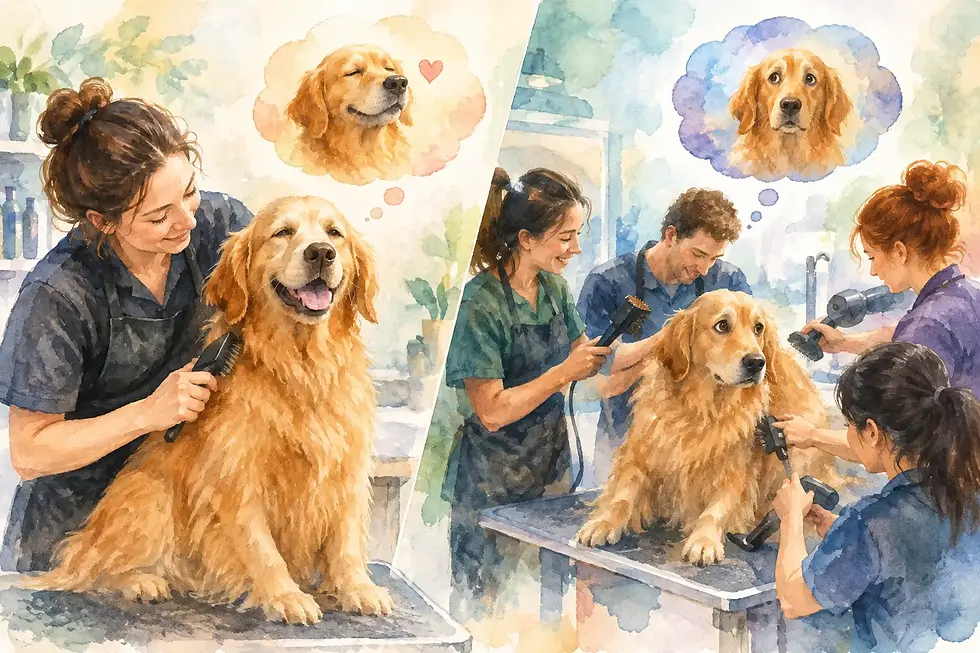
A good first visit should feel more like a confidence-building lesson than a marathon beauty appointment. Puppies have short attention spans, small bladders, and a limited tolerance for standing still. A groomer may adjust the service based on your puppy’s coat, temperament, and comfort level that day.
For many puppies, a first appointment may include a gentle bath with puppy-appropriate products, a careful blow-dry introduction, brushing, nail trimming, ear cleaning, and light trimming around the face, feet, and sanitary areas. The groomer may pause frequently, use calm handling, and keep the visit shorter than a standard adult groom.
If your puppy becomes worried, wiggly, or tired, it is okay if every step is not completed. Pushing through fear can create a negative association. A thoughtful groomer will prioritize safety and confidence over finishing a particular style.
At-Home Preparation Before the First Groom
You can make a professional grooming appointment easier by practicing a few simple handling exercises at home. Keep sessions brief - one or two minutes is enough for many young puppies. Stop while your puppy is still relaxed rather than waiting until they become frustrated.
Gently touch each paw and reward calm behavior. Brush for a few strokes at a time, especially in areas that tend to tangle, such as behind the ears, under the collar, in the armpits, and around the tail. Briefly lift the ears, touch the muzzle, and run your hands over the legs and belly.
It also helps to introduce common grooming sounds at a distance. Your puppy does not need to be placed in front of a loud dryer or clipper. Instead, let them hear household sounds while receiving treats or calm praise. The message should be simple: unfamiliar noises happen, and nothing bad follows.
Avoid bathing your puppy too often at home. Frequent baths can dry the skin, especially when the wrong shampoo is used or the coat is not rinsed and dried thoroughly. If your puppy has gotten muddy or smelly, a bath may be appropriate, but routine brushing and spot cleaning often handle the everyday mess.
How Often Should Puppies Be Groomed?
The right schedule depends more on your puppy’s coat and lifestyle than on a single calendar rule. Puppies with short, smooth coats may need professional grooming less often, while curly, wavy, double-coated, or long-haired breeds need more frequent care to prevent tangles and matting.
As a general starting point, many puppies benefit from grooming every 4 to 8 weeks once they are ready for professional appointments. Dogs with coats that continue growing, such as Poodles, Doodles, Bichons, Shih Tzus, and many terrier mixes, often need closer to a 4- to 6-week routine. Regular visits help the groomer maintain the coat rather than having to remove painful mats later.
Nails usually need attention more often than a full bath and haircut. Some active dogs naturally wear their nails down, but many puppies need trims every 2 to 4 weeks. Long nails can change how a dog stands and walks, snag on surfaces, and make paw handling more uncomfortable.
Your puppy’s needs may change quickly as their adult coat grows in. A fluffy puppy coat can hide tangles, while the transition to an adult coat can create new matting risks. Your groomer can help you adjust the schedule before small knots become a larger comfort issue.
Coat Type Changes the Grooming Plan
Short-haired puppies still need brushing, nail care, and occasional baths, but they typically do not need routine clipping. A gentle bath, deshedding treatment when appropriate, and regular brushing can help manage loose hair and keep the skin clean.
Double-coated breeds, including many shepherds, retrievers, huskies, and herding dogs, need coat maintenance without being shaved as a default. Their undercoat can pack down, especially during seasonal shedding, and proper brushing helps air move through the coat. Their grooming plan should protect the natural coat rather than chase a low-maintenance look that may not suit their skin or coat function.
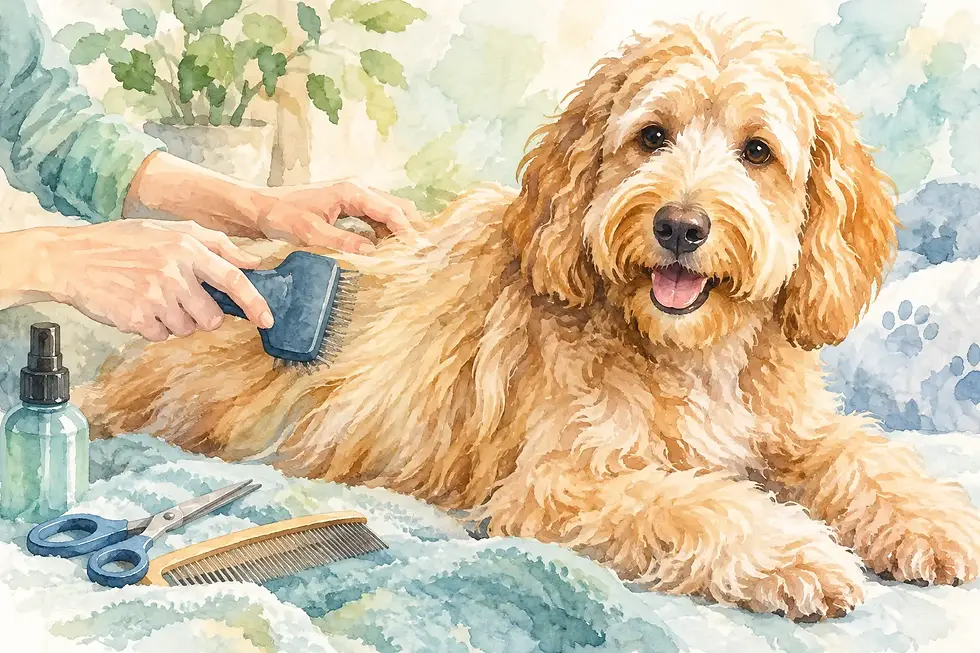
Curly and continuously growing coats require the most consistent upkeep. These coats can mat close to the skin, often in places owners cannot easily see. Daily or near-daily brushing at home, plus a dependable professional schedule, is kinder than waiting until tangles require a very short haircut.
Signs Your Puppy Needs Grooming Sooner
A schedule is helpful, but your puppy may need care earlier than expected. A sour smell, visible dirt, sticky fur around the eyes or rear, nails clicking loudly on hard floors, or tangles that do not brush out easily are all good reasons to arrange grooming.
Pay close attention after hikes, creek visits, rainy walks, and energetic play in the yard. Burrs, mud, sap, and fleas can quickly turn a soft puppy coat into a problem. Check between the toes, under harnesses, behind the ears, and around the tail. Removing debris early is gentler than trying to work through it after it has dried or tangled.
If you notice redness, persistent scratching, hair loss, ear odor, swelling, or skin sores, contact your veterinarian rather than assuming grooming will solve it. Grooming supports skin and coat health, but it is not a substitute for medical care.
A Calm Start Is Worth More Than a Perfect Haircut
Your puppy does not need to look polished for every stage of puppyhood. They do need patient handling, clean and comfortable skin, manageable nails, and a grooming routine that feels safe. Start small, stay consistent, and choose care that respects your puppy’s comfort signals.
A calm first appointment can become the foundation for a lifetime of easier grooming - and many more happy, wagging-tail days.
Comments